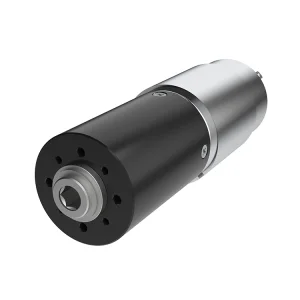
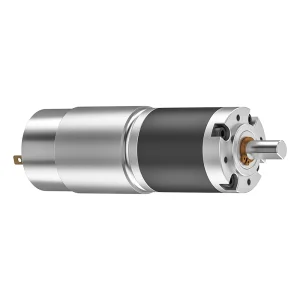
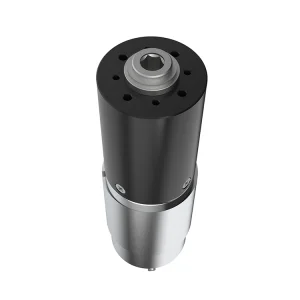
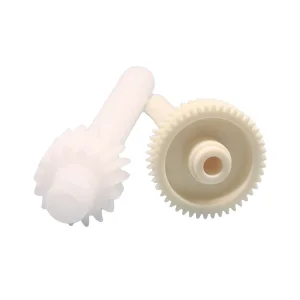
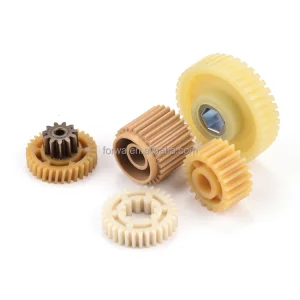
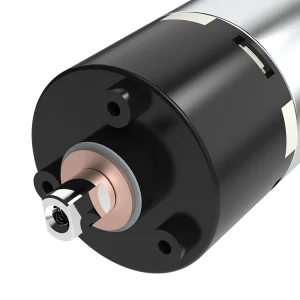
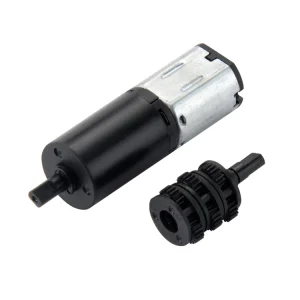
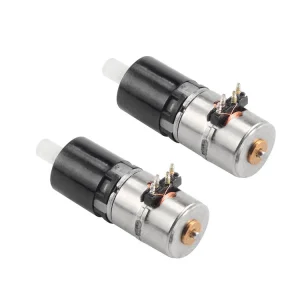
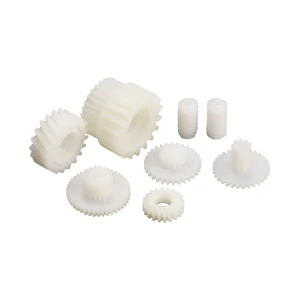
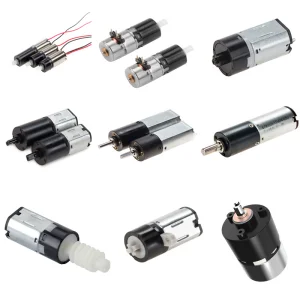
In modern industrial design, the mechanical transmission landscape is experiencing a paradigm shift. High-performance thermoplastic components, including plastic timing belts, precision molded pulleys, and micro planetary gearboxes, are rapidly replacing heavy, high-maintenance metallic components. Driven by the demands of micro-automation, medical robotics, smart home devices, and automotive subsystems, global engineers require transmission components that are lightweight, self-lubricating, chemically resistant, and whisper-quiet.
A plastic timing belt system relies on synchronous interaction with precision injection-molded pulleys, helical gears, and micro actuators. Key polymer materials, such as POM (Polyoxymethylene), Nylon (PA66, PA46), and PEEK (Polyetheretherketone), are modified with carbon fiber or glass fiber reinforcements. This allows them to deliver the structural integrity of metal while offering superior dampening properties. Consequently, optimizing these systems has become a crucial focus area for B2B procurement managers seeking to maximize performance and reduce operating costs.
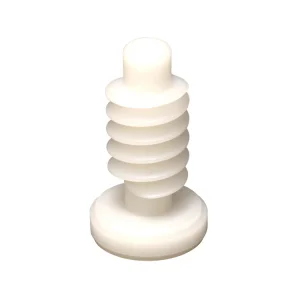
Historically, early timing belts struggled with stretch, wear, and thermal degradation. Today's industrial-grade plastic timing belts utilize advanced polyurethanes co-extruded with steel or aramid tensile cords. This composite construction guarantees zero stretching over millions of cycles. When paired with high-precision, injection-molded nylon or POM drive gears, they create a drive system that does not require external grease. This performance is vital in cleanroom environments, medical pumps, and optical devices where lubricant contamination would cause system failure.
Looking for a reliable, direct-from-source manufacturer to secure your miniature motor and plastic transmission component supply chain? Lahabra Motors Precision Industry Technology Co., Ltd. is built to bridge the gap between Chinese manufacturing efficiency and global engineering standards. We eliminate middlemen to deliver high-torque, industrial-grade micro drives and injection-molded components straight from our manufacturing floors to your global warehouse.
Why Leading Global OEMs Partner with Lahabra Motors:
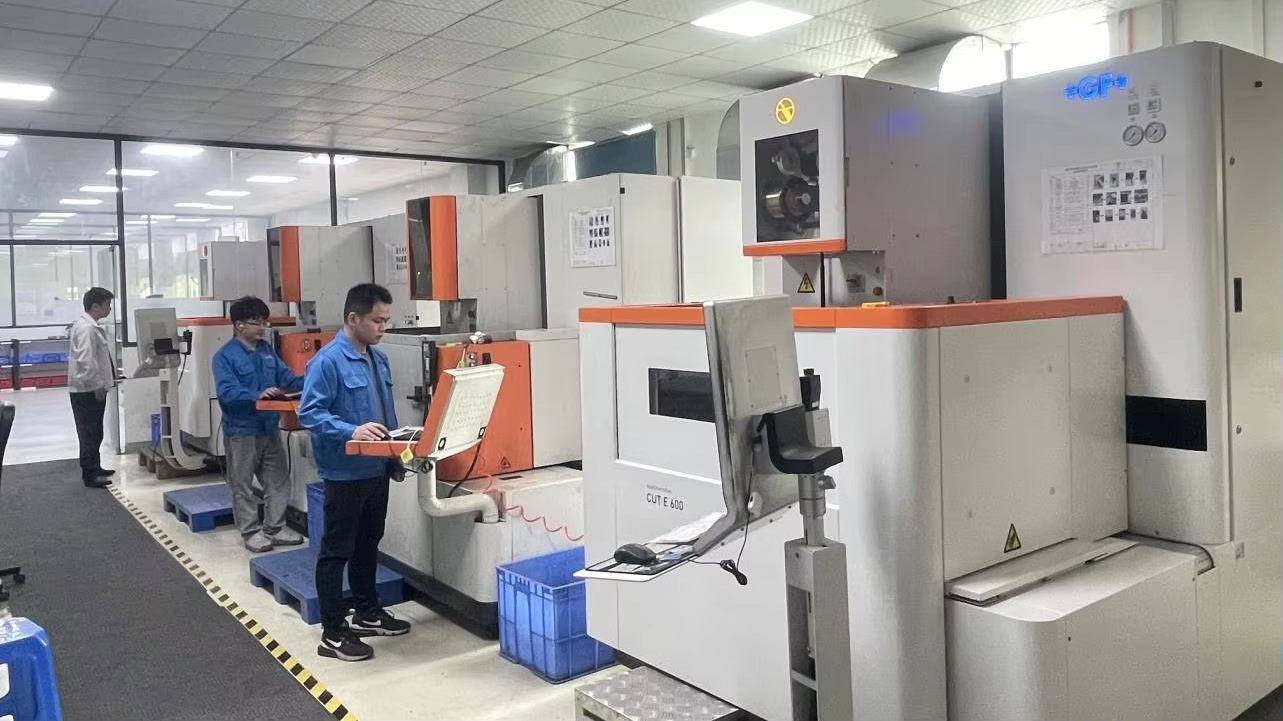
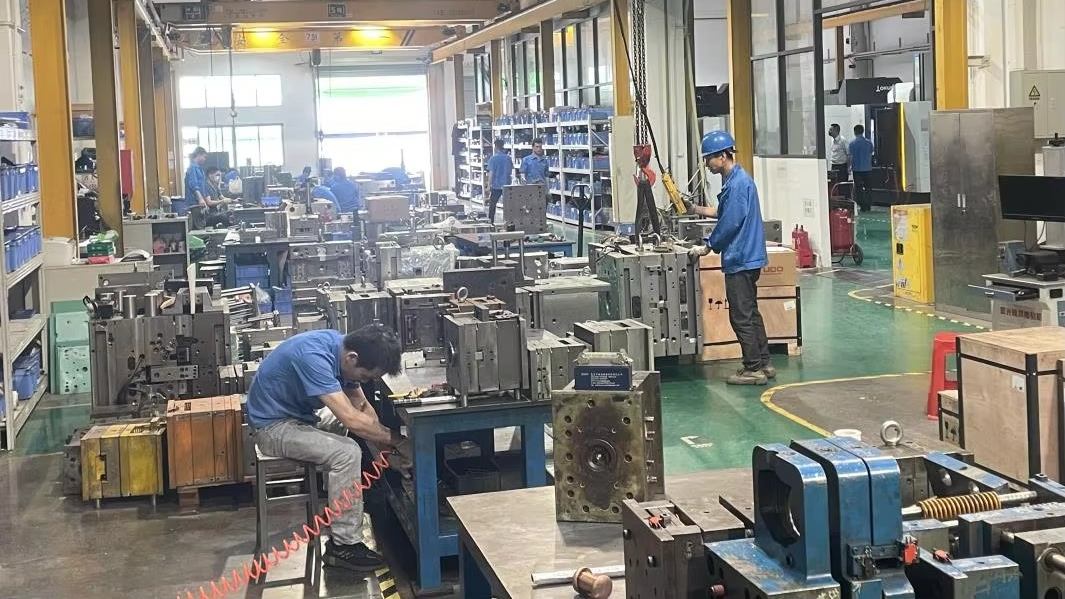
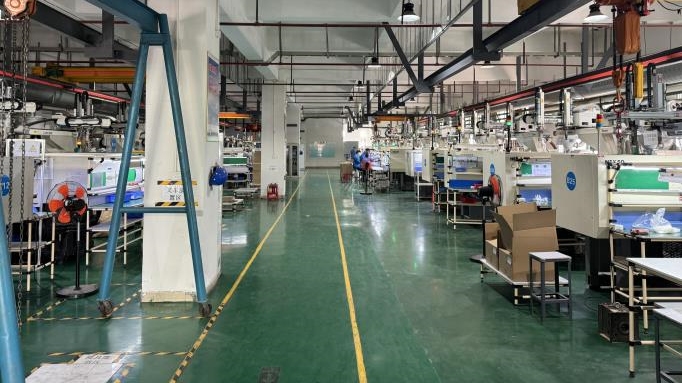
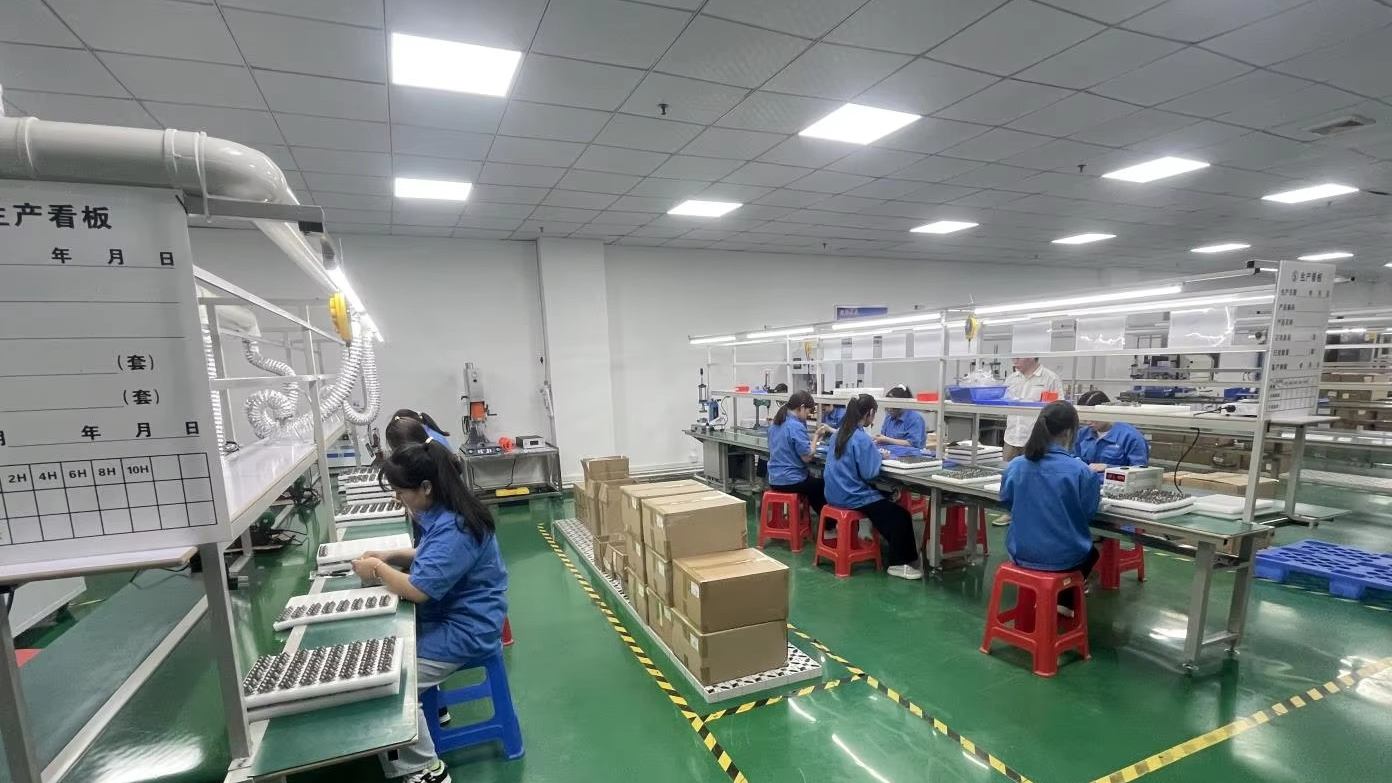
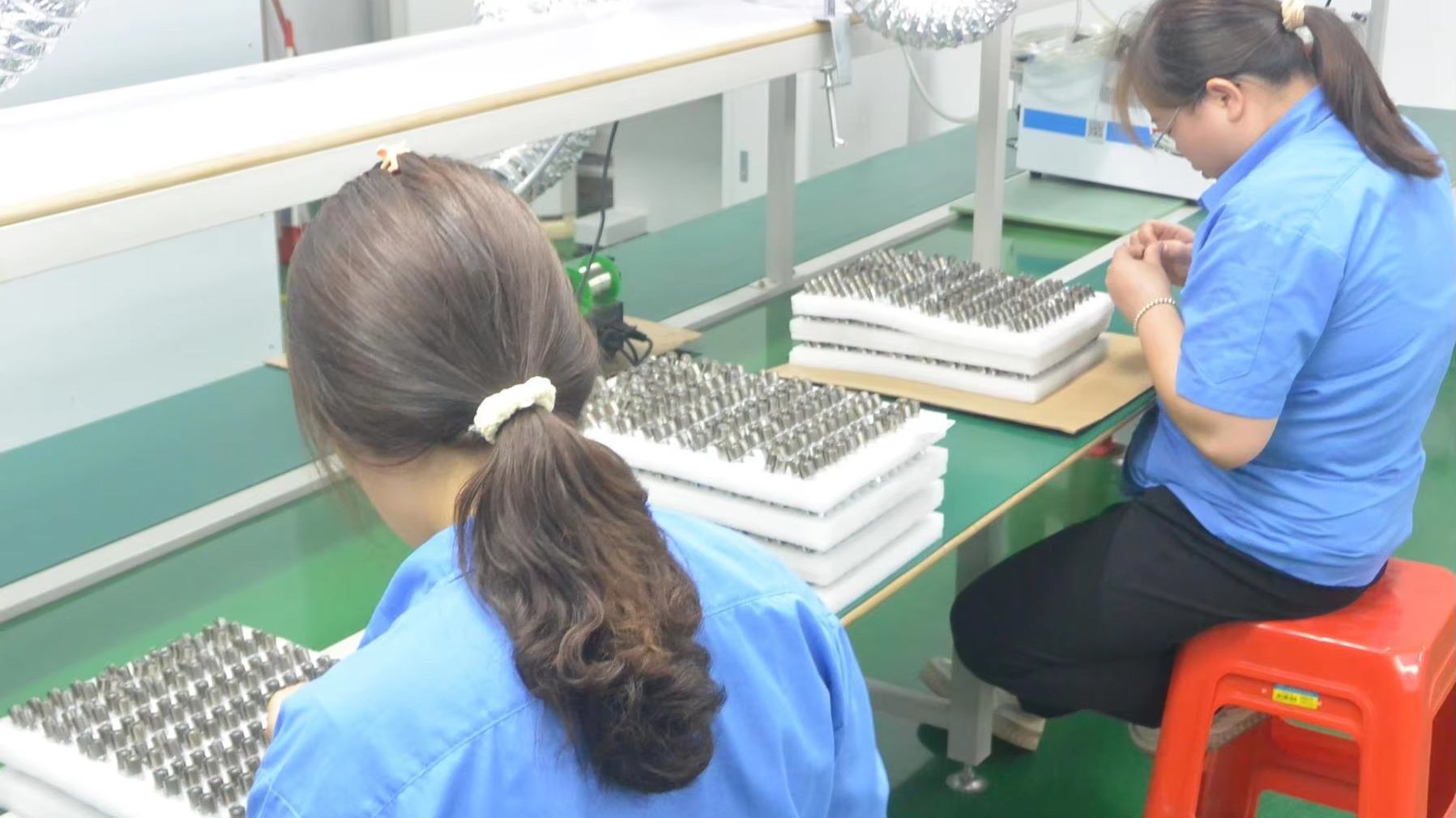
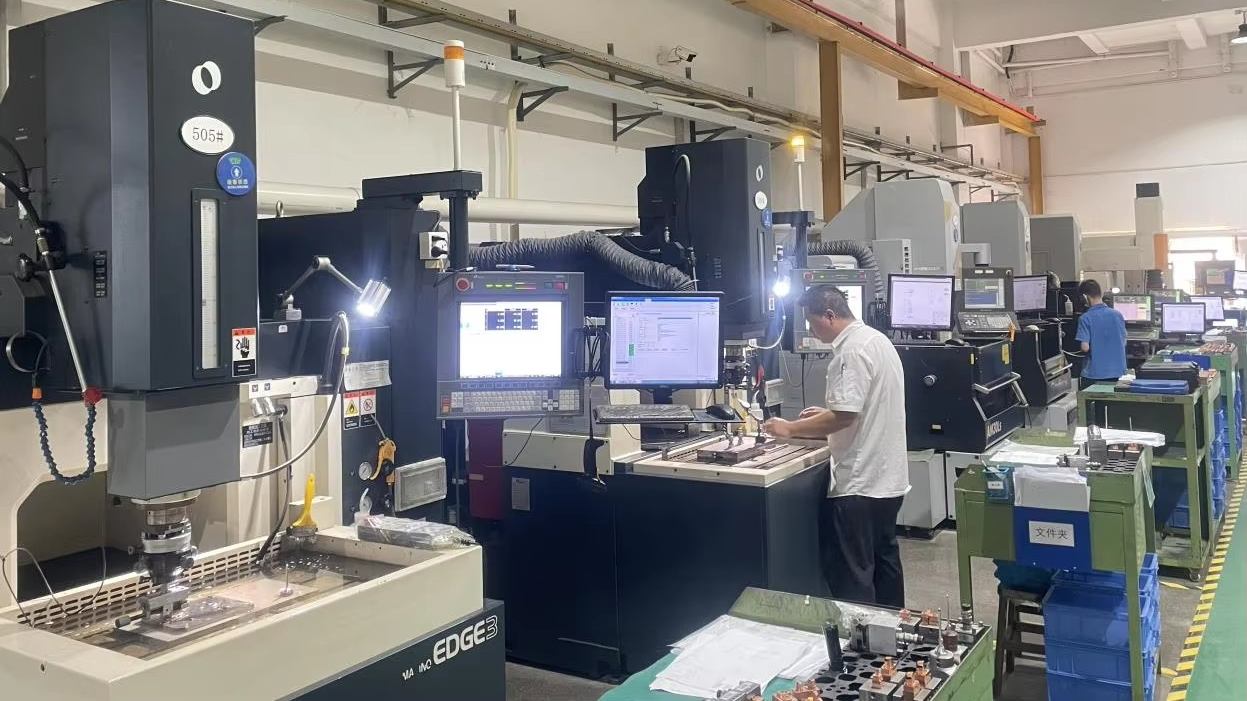
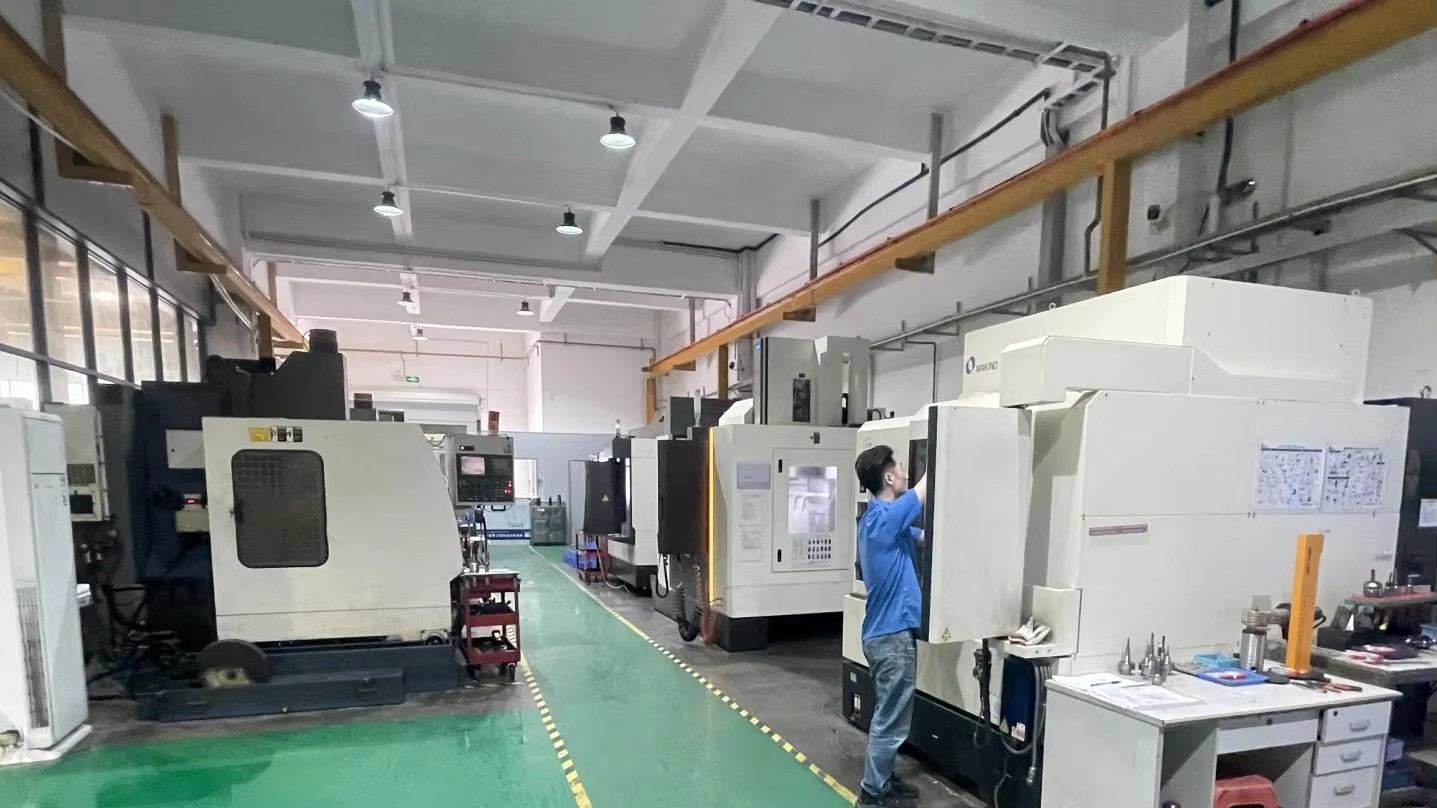
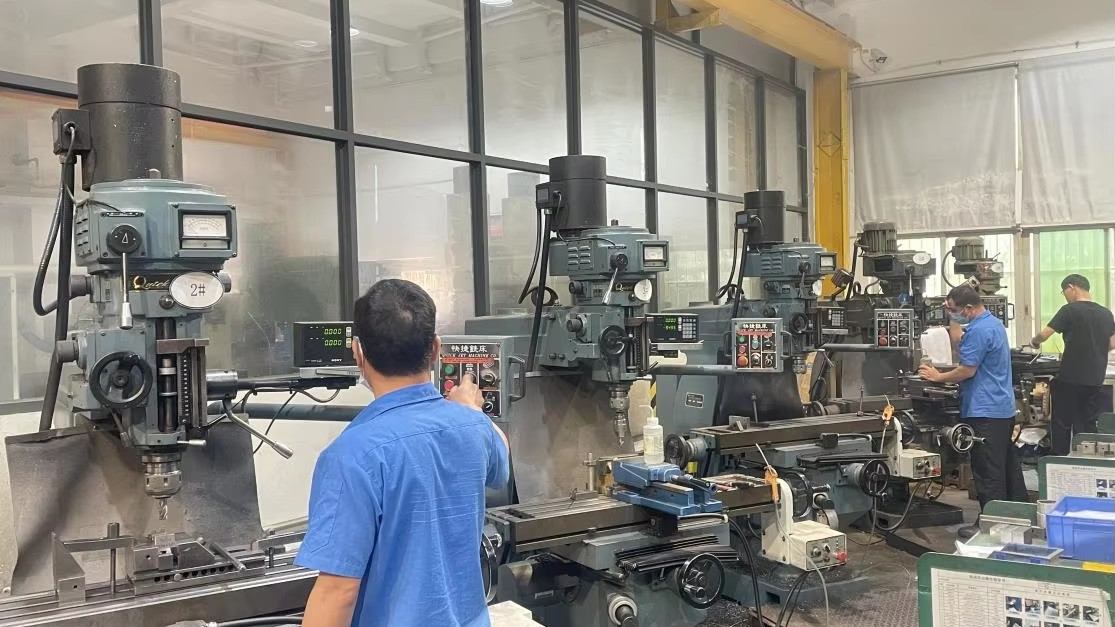
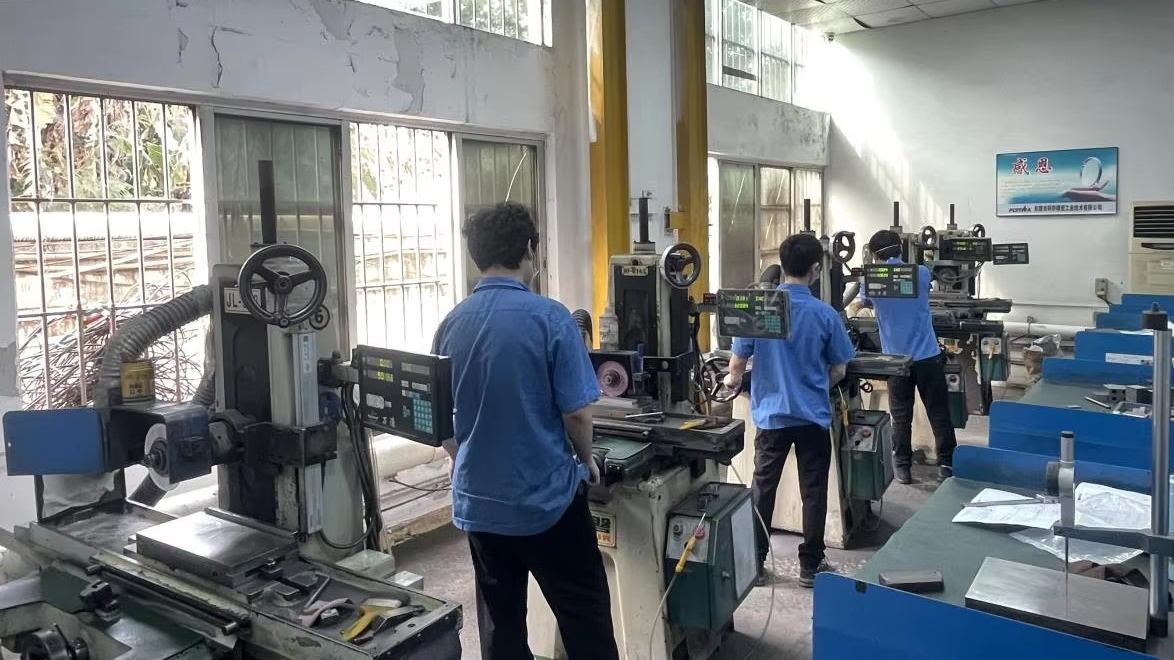
The global dominance of China's transmission manufacturers is not based on cost optimization alone. It is sustained by deep industrial clusters, advanced tooling technologies, and a vertically integrated ecosystem. In places like Guangdong, manufacturers coordinate everything from chemical polymer synthesis to micromachining and final gear housing assembly.
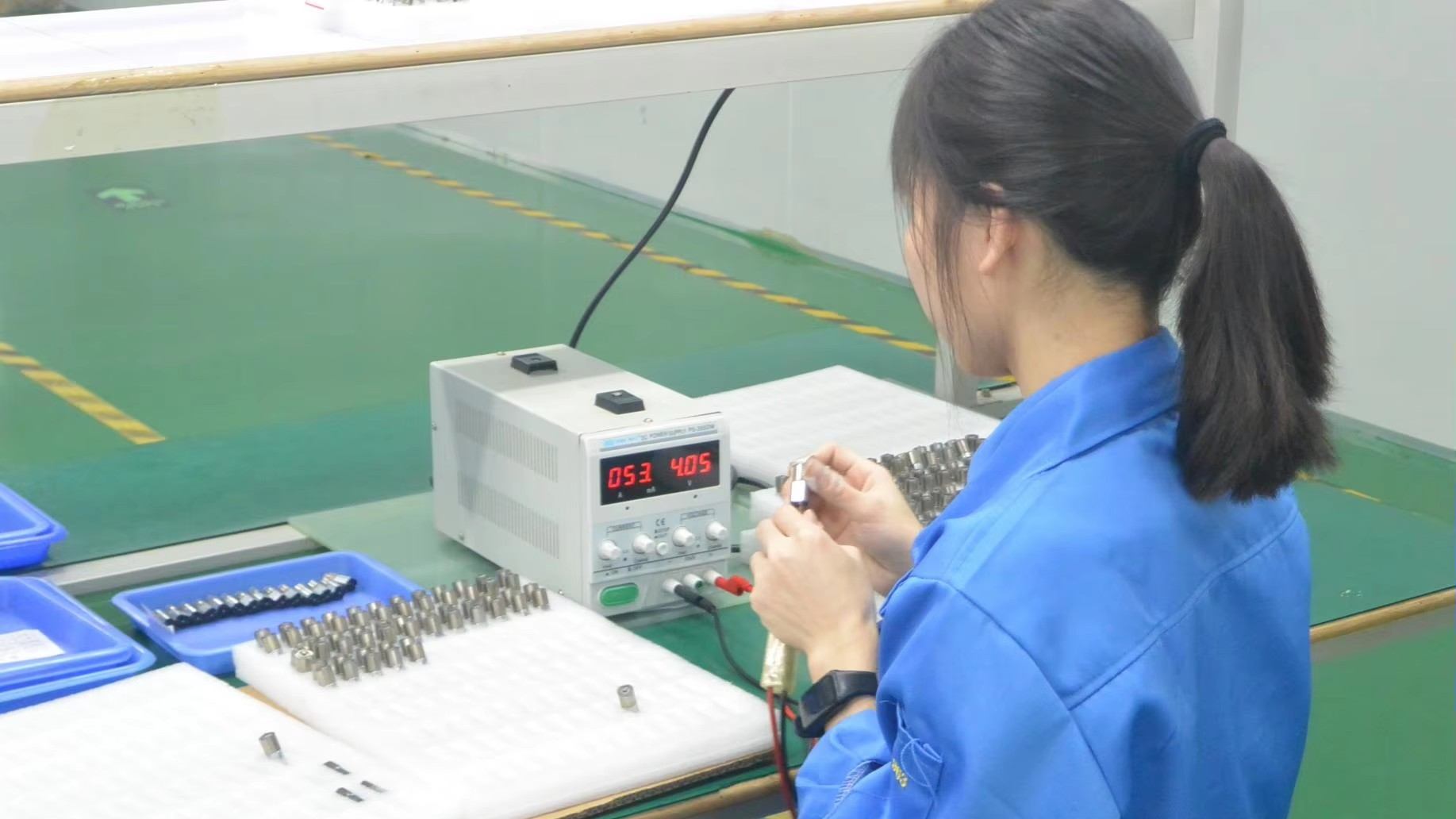
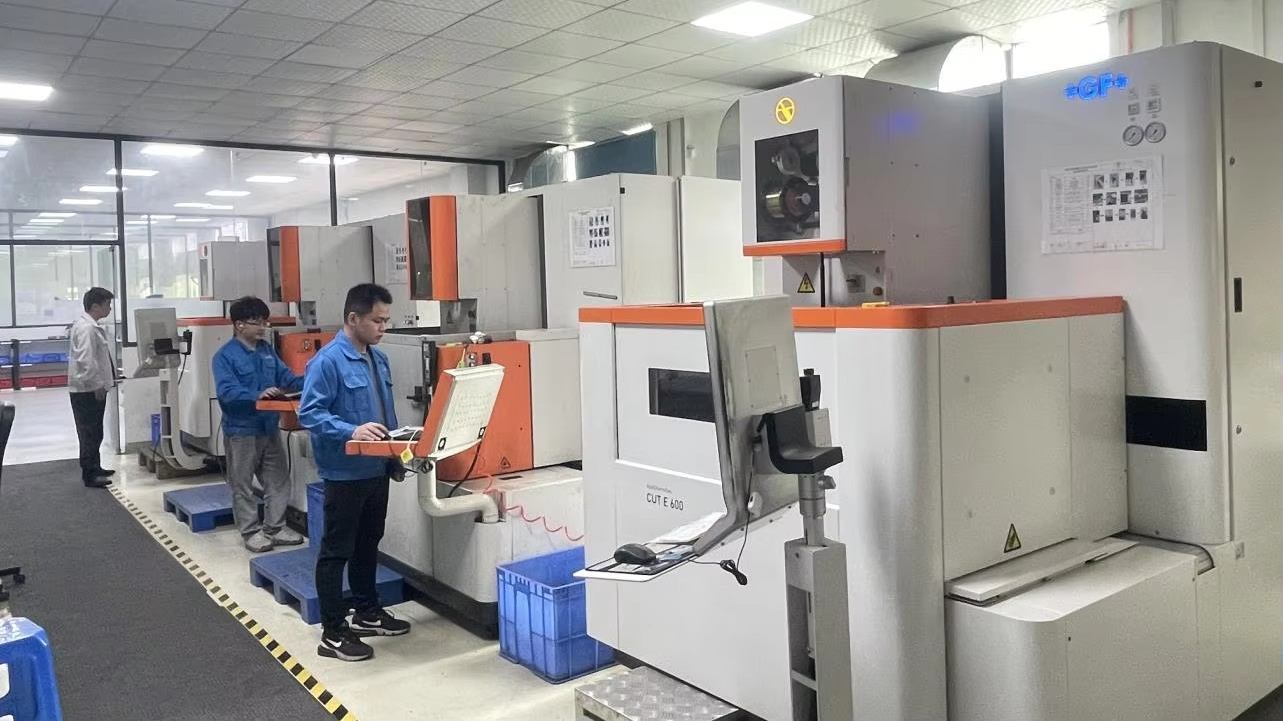
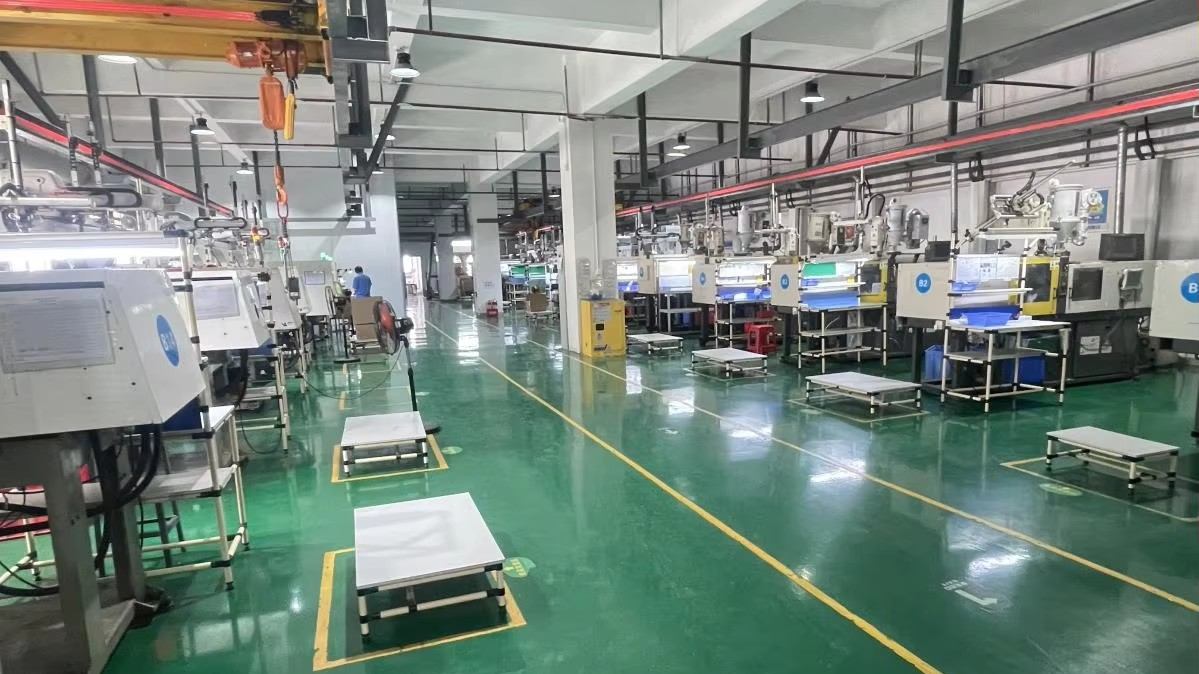
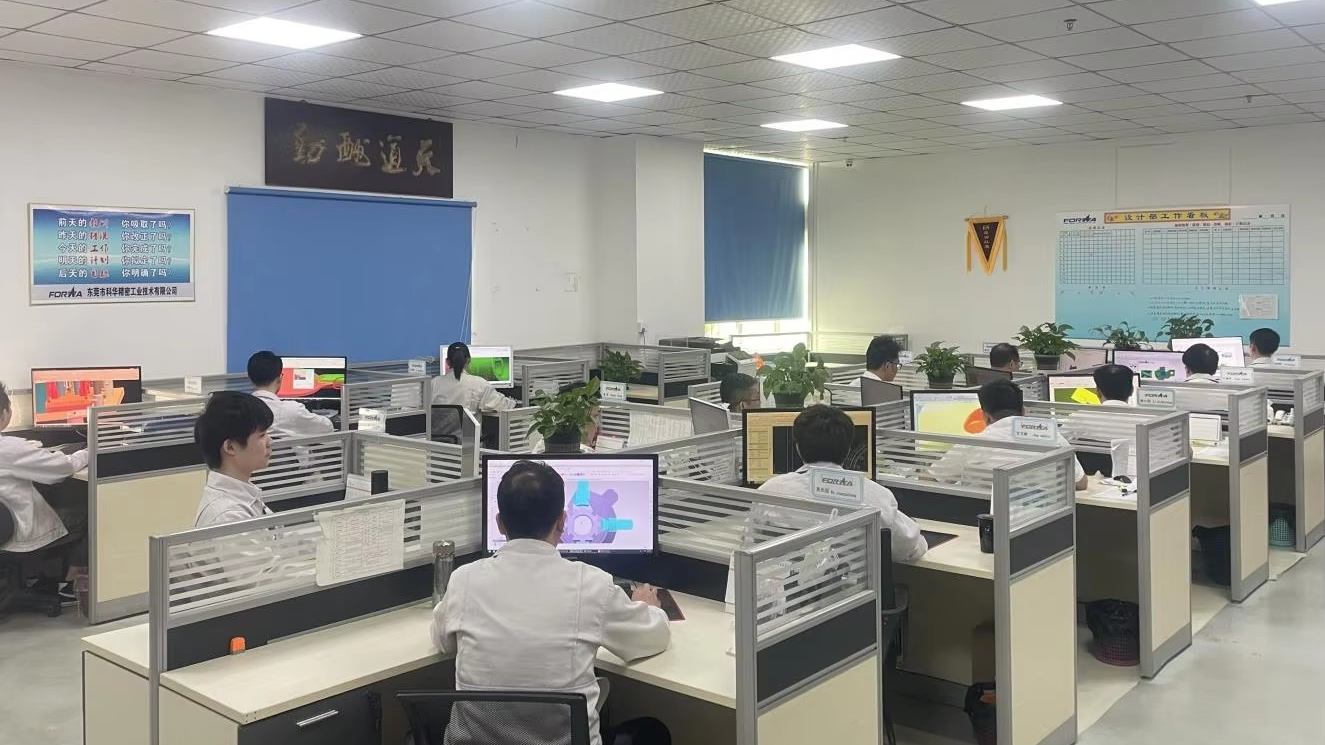
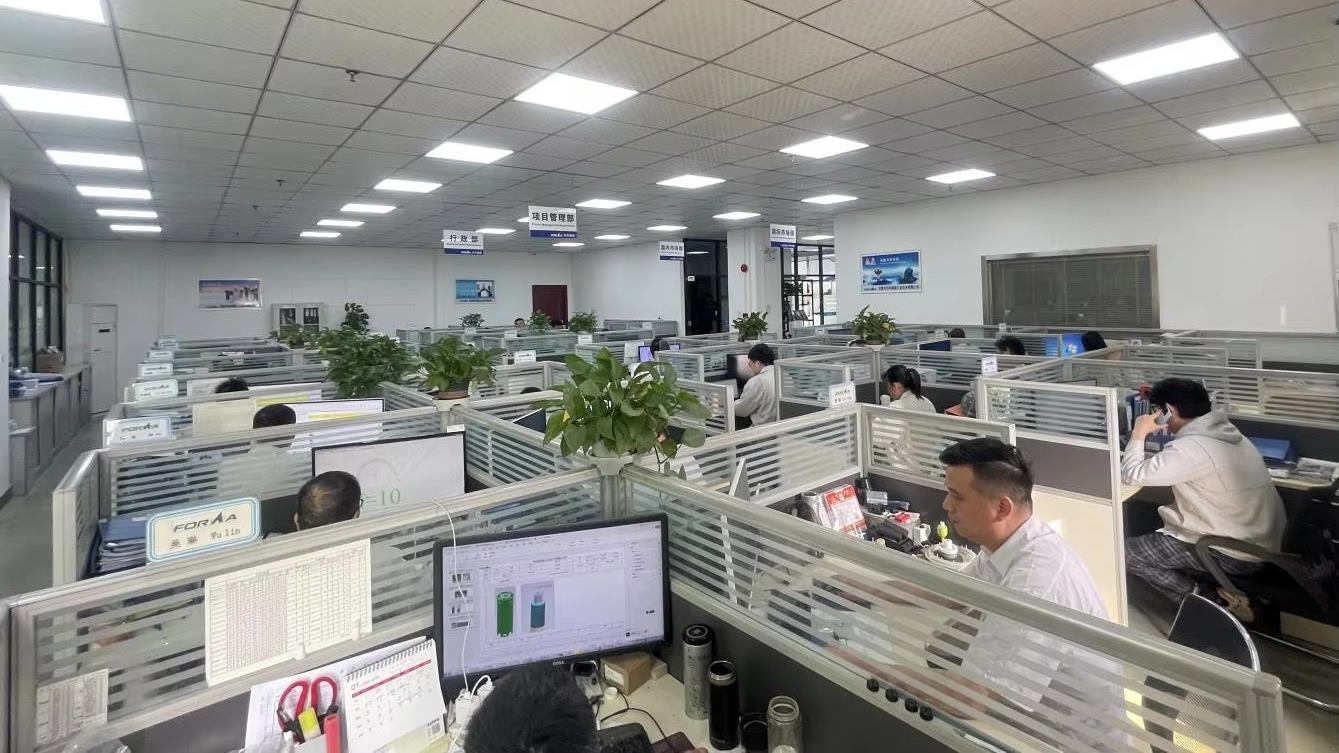
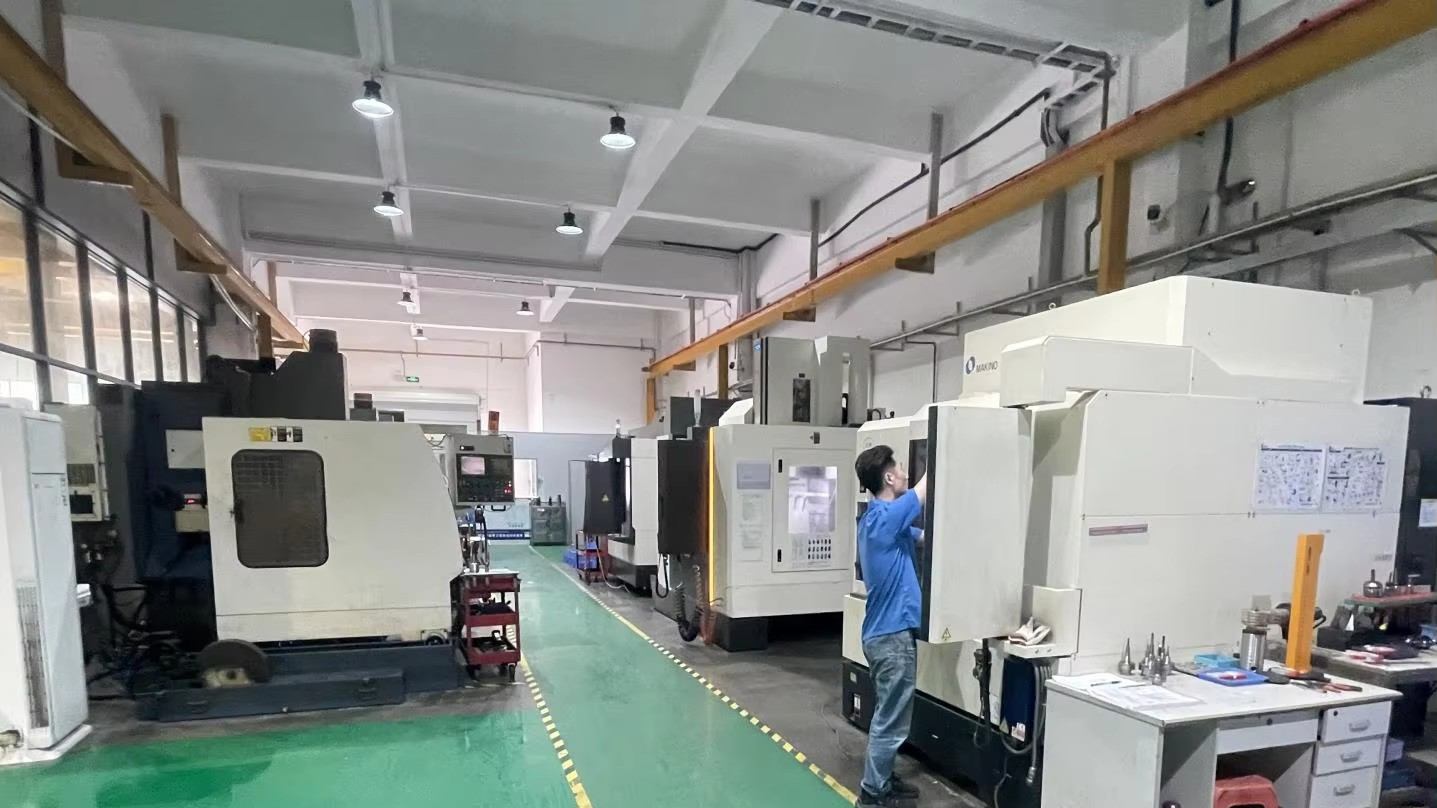
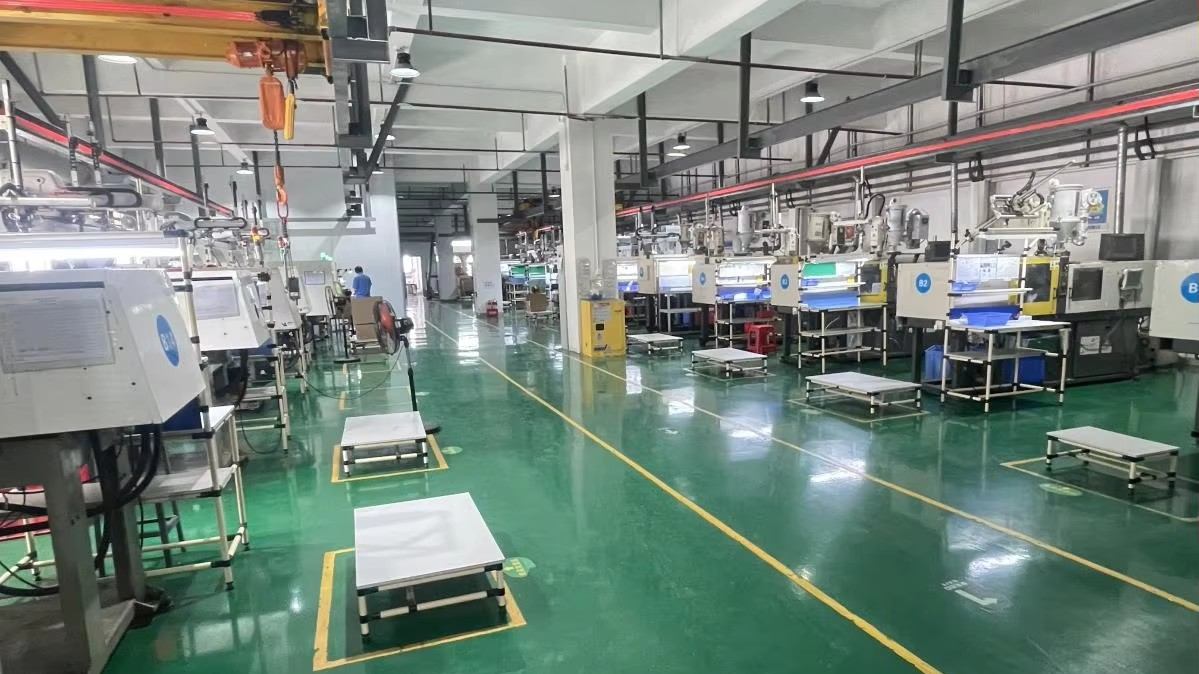
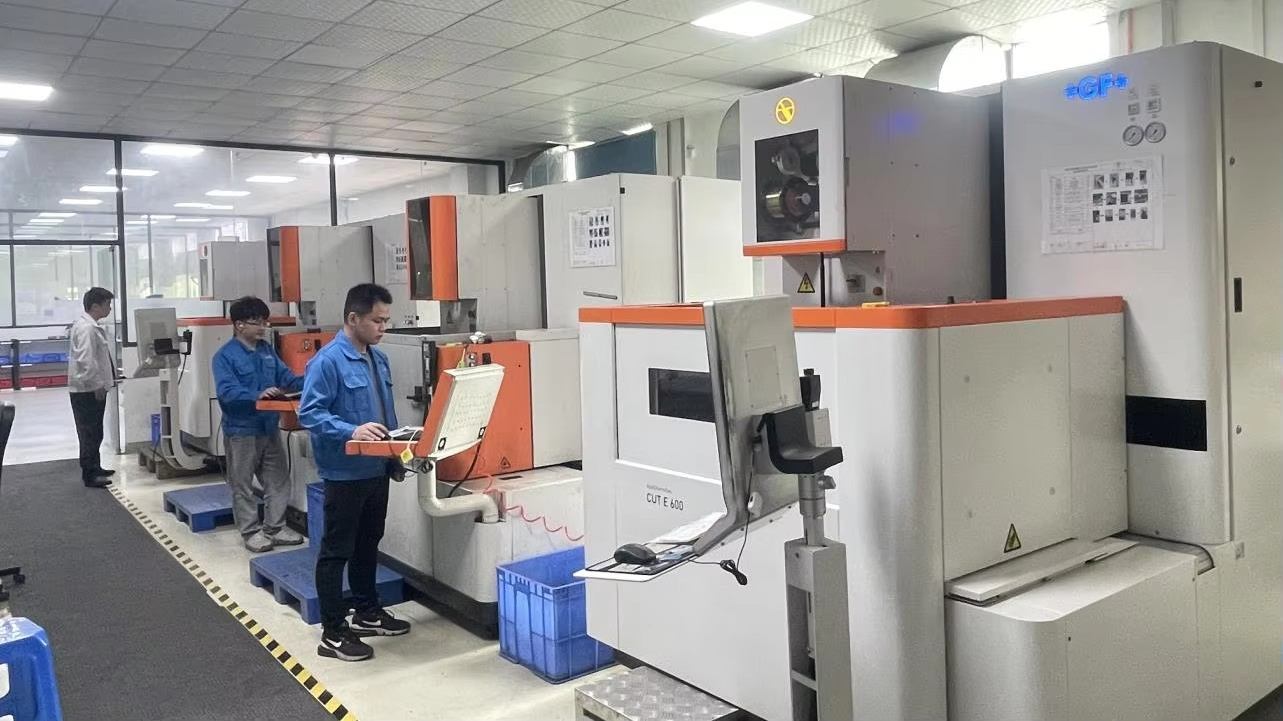
At Lahabra Motors, our investment in high-end machinery allows us to manage every step of the tooling and production process in-house. We utilize CNC machines, high-precision EDM (Electrical Discharge Machining), and ultra-precise slow wire cutting to construct gear molds with sub-micron tolerances. Our injection molding lines transform advanced resins like POM, Nylon, and custom composite polymers into highly resilient components. By integrating mold making, component molding, motor winding, and performance testing under one roof, we eliminate external logistical delays and deliver consistent quality.
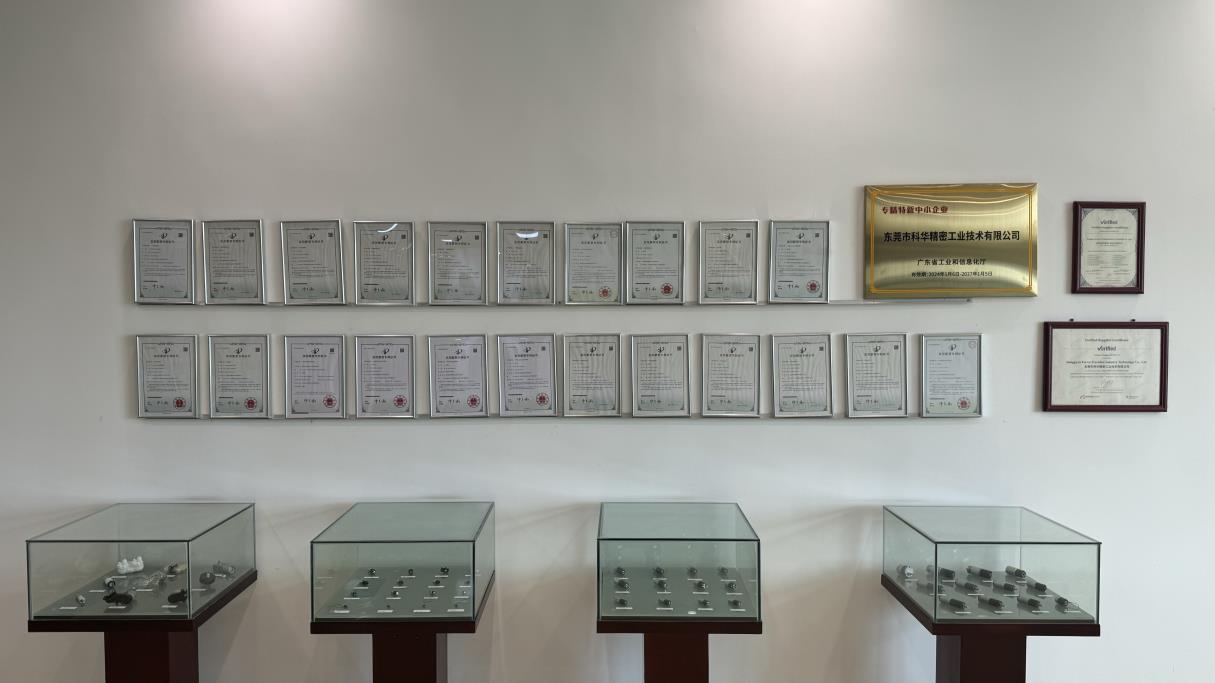
To meet the demands of global OEMs in the automotive, medical, and aerospace sectors, we rely on a robust metrology setup. Our quality control lab is equipped with advanced testing devices to verify tooth profiles, concentricity, and dynamic wear resistance:
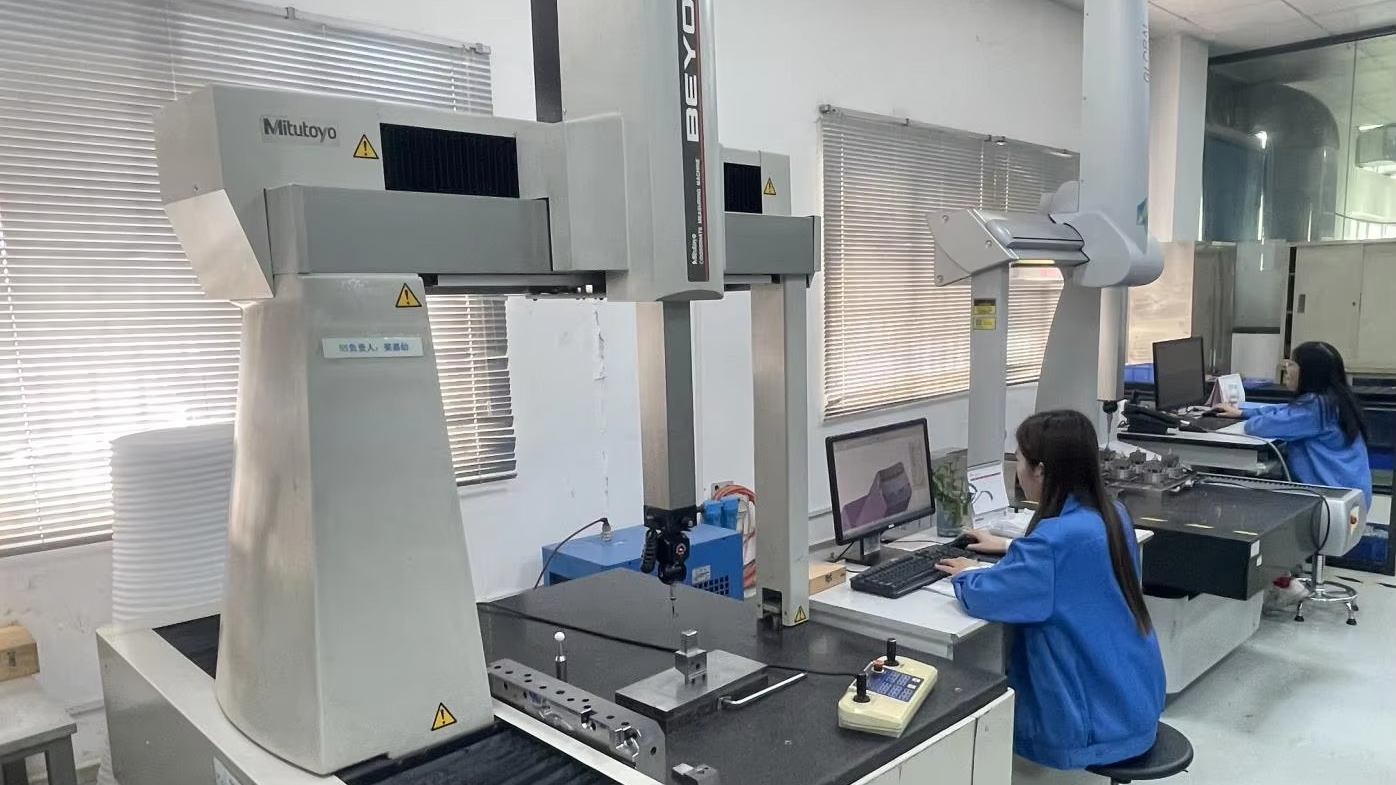
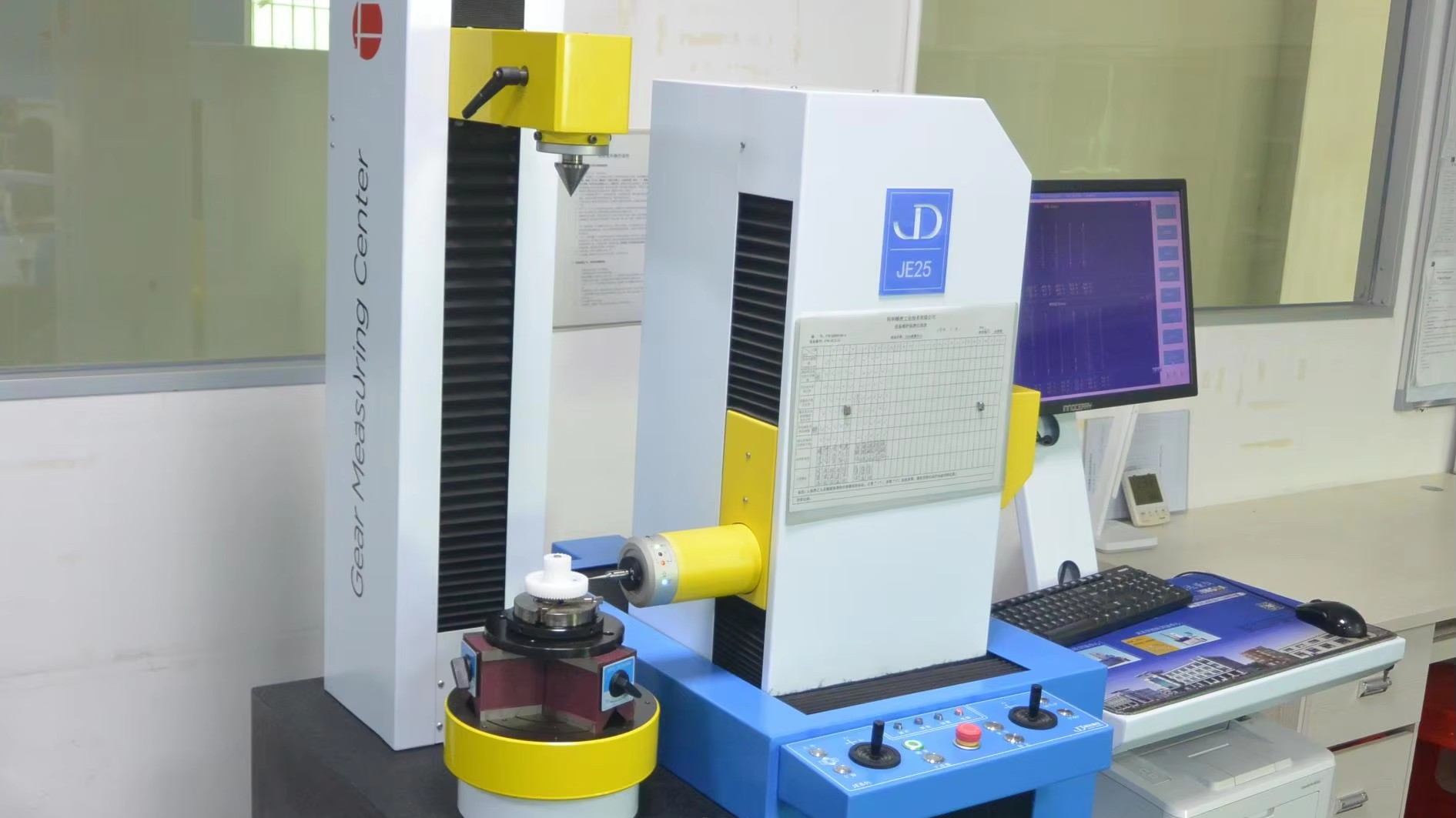
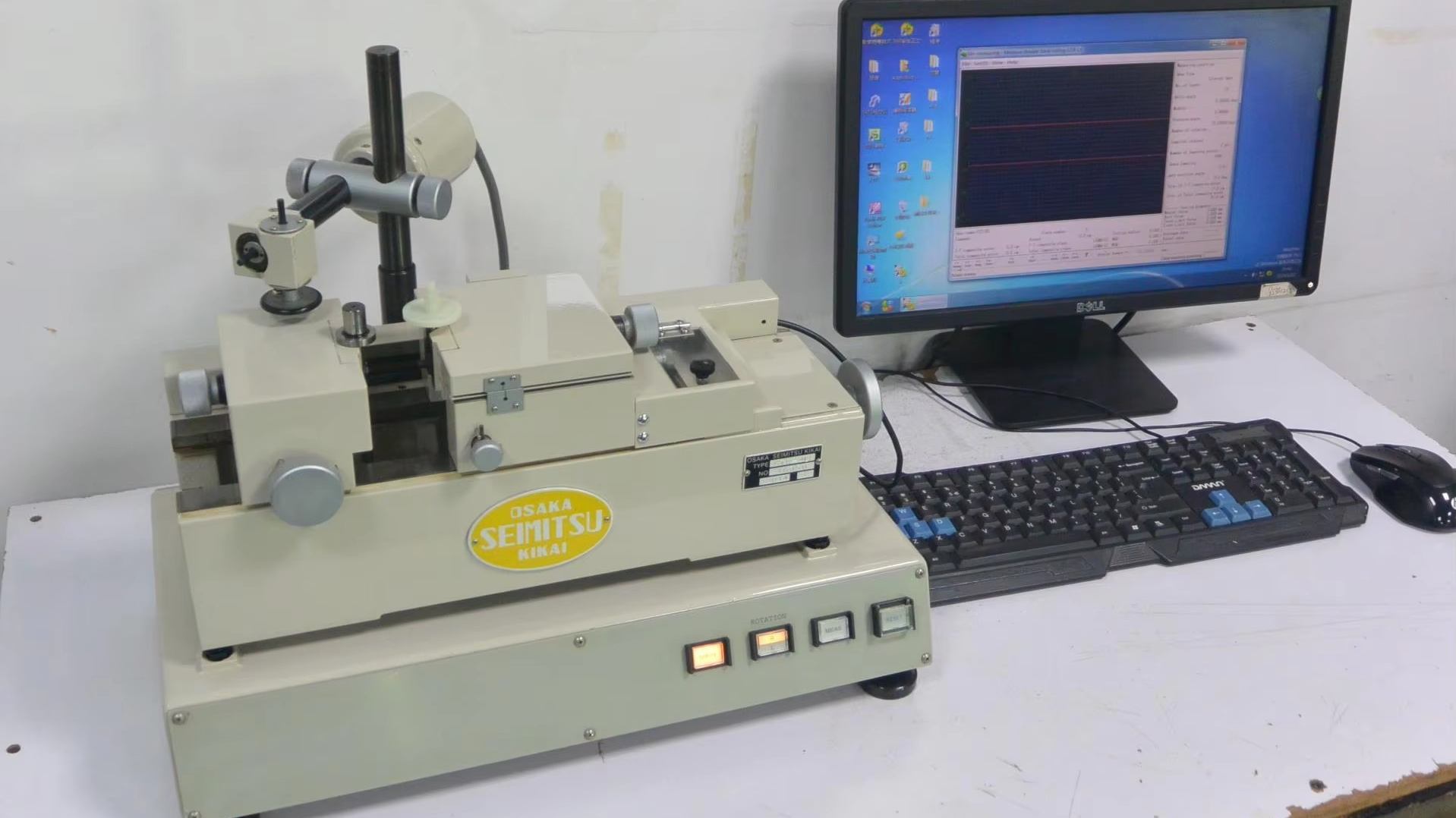
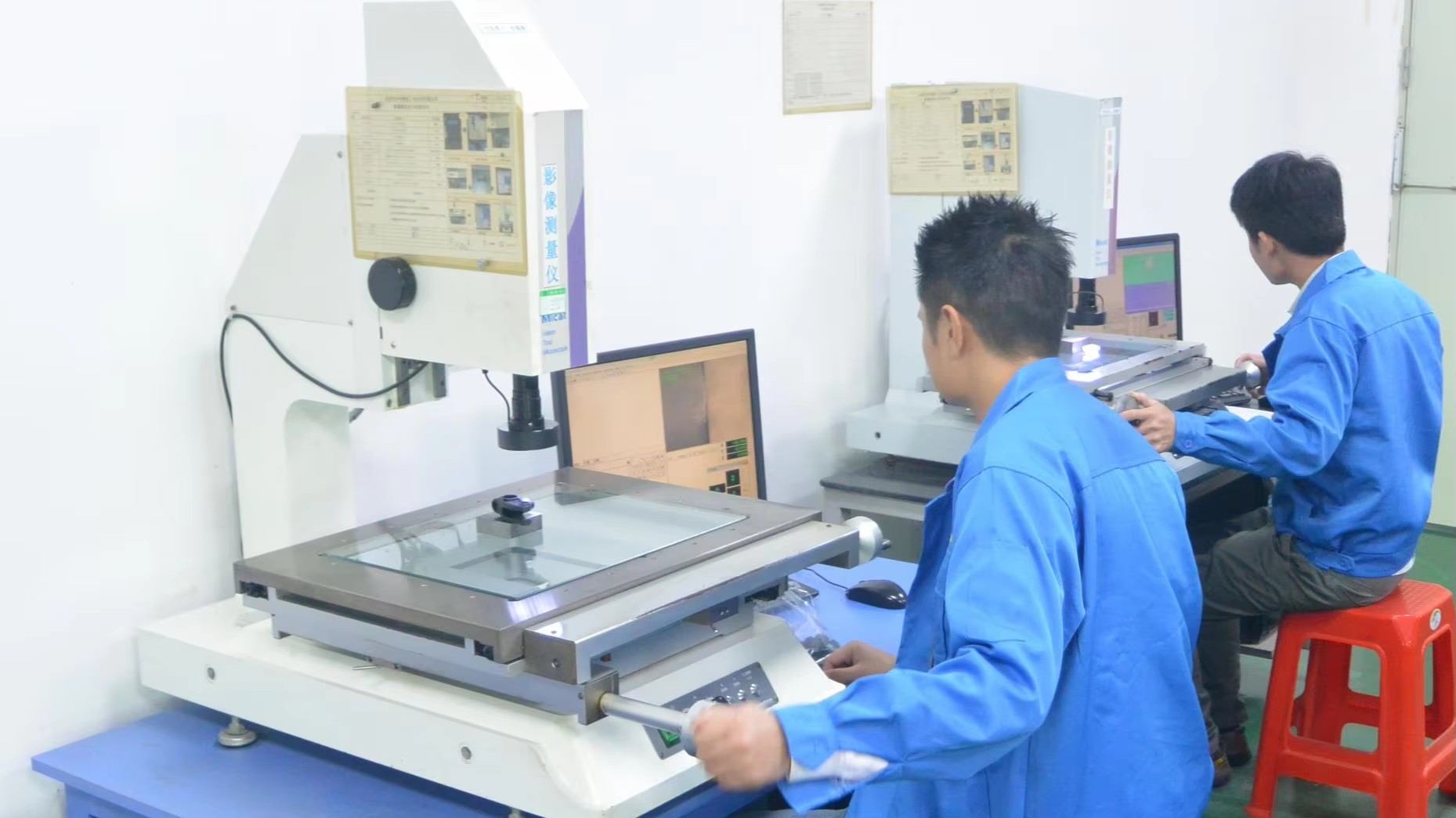
By employing Coordinate Measuring Machines (CMM) and JE25 Gear Measurement Centers, we can guarantee that the pitch deviation, runout, and gear mesh alignment of our plastic timing pulleys and gearboxes meet exact specifications. Our visual inspection process is supported by high-resolution image measuring instruments, ensuring that every batch of micro drives meets our clients' dimensional tolerances.
Precision transmission components are critical in several high-performance industries:
In smart washing machines, automated toilet seats, window blinds, and electronic drying racks, noise control and service life are top priorities. Our customized 12V and 24V planetary gearboxes and plastic gears deliver quiet operation (less than 40dB) and dependable performance, helping home appliances function smoothly and reliably.
Modern flow control valves require precise positioning and high torque outputs within compact enclosures. Custom planetary gear reducers designed for electric valve actuators provide the mechanical leverage needed to regulate fluid systems safely, even under continuous industrial workloads.
From flush, automatic door handles on electric vehicles to motorized HVAC vents and lumbar support systems, auto manufacturers choose plastic gear systems to reduce vehicle weight. Injection-molded planetary drive systems offer high torque, quiet operation, and reliable performance across a wide temperature range (-40°C to 125°C).
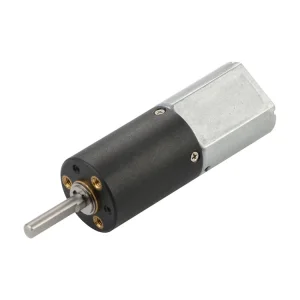
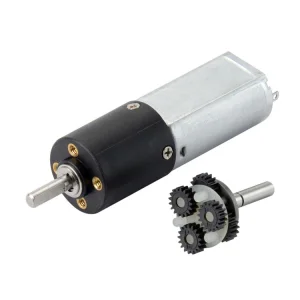
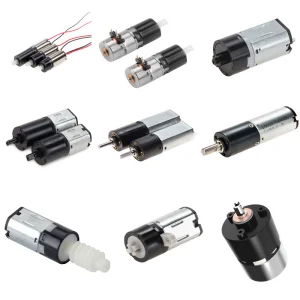
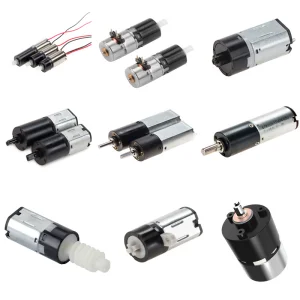
In medical devices like syringe pumps and consumer electronics like VR headsets, small size is essential. Spot supplier solutions, such as our 6mm and 12mm micro planetary gear motors, deliver precise motion control for compact personal wellness equipment, beauty tools, and smart trash cans.
The transmission industry is moving rapidly toward miniaturization, increased efficiency, and predictive monitoring. Key trends driving this shift include:
The development of custom polymers allows plastic timing systems to operate in extreme conditions. Manufacturers are introducing carbon nanotube-filled POM and self-lubricating fluoropolymer compounds. These new materials improve wear performance, reduce dust production, and extend service life in critical environments.
Rather than sourcing separate belts, pulleys, and gearboxes, OEMs are increasingly choosing integrated drive modules. Combined brushless motor and planetary gearbox assemblies reduce mechanical tolerances, simplify installation, and ensure optimal mating between belts, gears, and shafts.
In line with global environmental standards like RoHS and REACH, B2B procurement teams prioritize green manufacturing. Modern Chinese production facilities focus on reducing power consumption, using bio-based engineering plastics, and implementing zero-waste closed-loop molding practices.
 Lahabra Motors