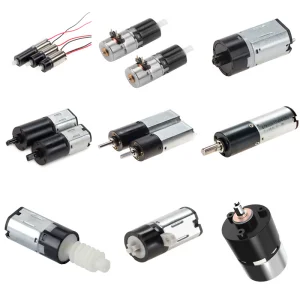
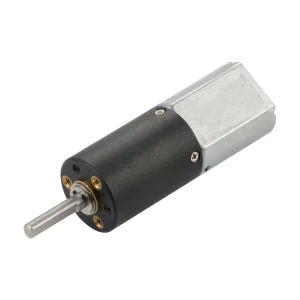
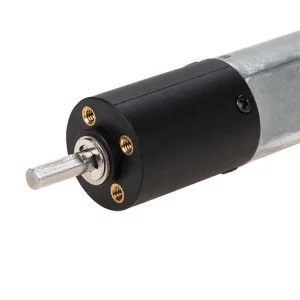
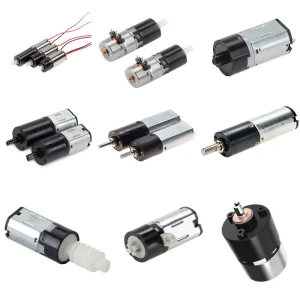
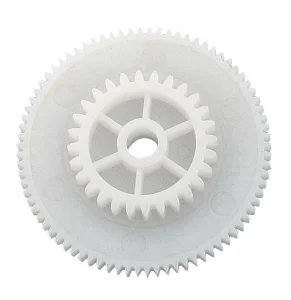
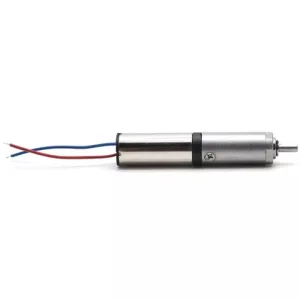
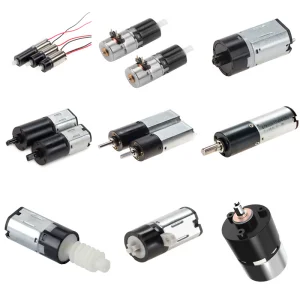
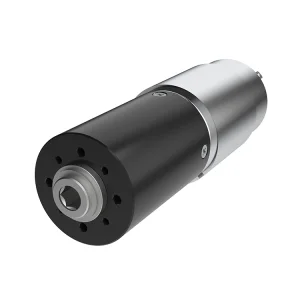
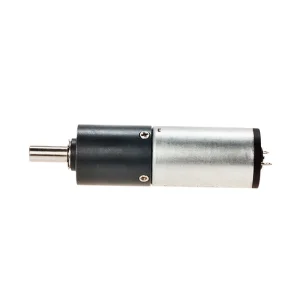
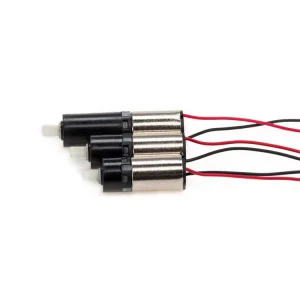
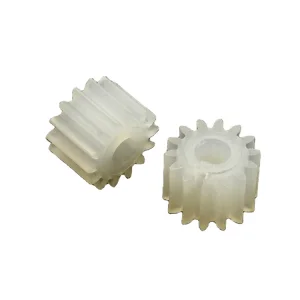
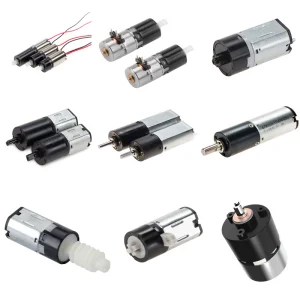
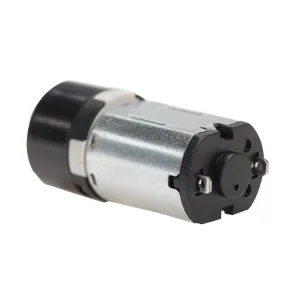
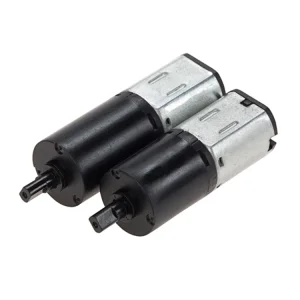
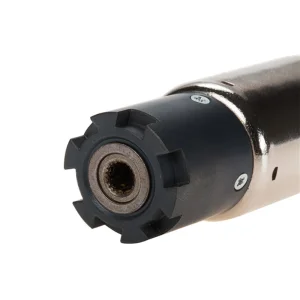
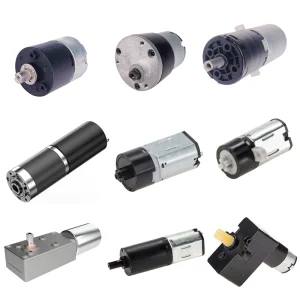
Eight export-ready motion subassemblies for medical devices, robotics, smart home products, automotive comfort systems, vending equipment, and precision consumer electronics. Each solution below links directly to its product configuration.
Looking for a reliable, direct-from-source manufacturer to secure your miniature motor supply chain? Lahabra Motors Precision Industry Technology Co., Ltd. is built to bridge the gap between Chinese manufacturing efficiency and global engineering standards. We eliminate middlemen to deliver high-torque, industrial-grade micro drives straight from our manufacturing floors to your global warehouse.
In the electric actuator category, micro drives are rarely simple commodity parts. A finished solution may combine a brushed or coreless motor, a planetary or plastic gearbox, a custom output shaft, mounting features, connectors, and—when required—integrated electronics. That is why serious OEM buyers evaluate process depth, engineering response, and repeatable quality together, not price alone.
Why Leading Global OEMs Partner with Lahabra Motors :
A factory-direct claim becomes credible when the manufacturing process is visible. The gallery below preserves the tooling, injection molding, machining, assembly, testing, and metrology evidence that global buyers should look for when qualifying a China micro motor and gearbox exporter.
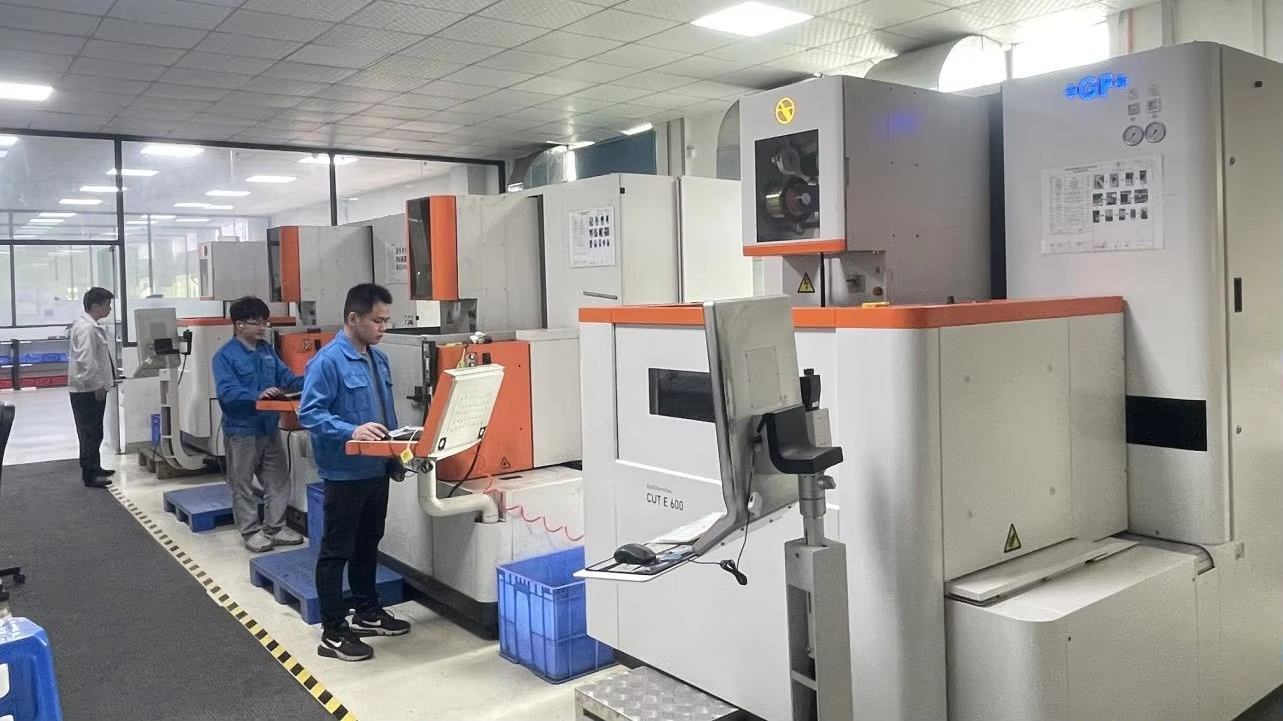 Die Parts Processing
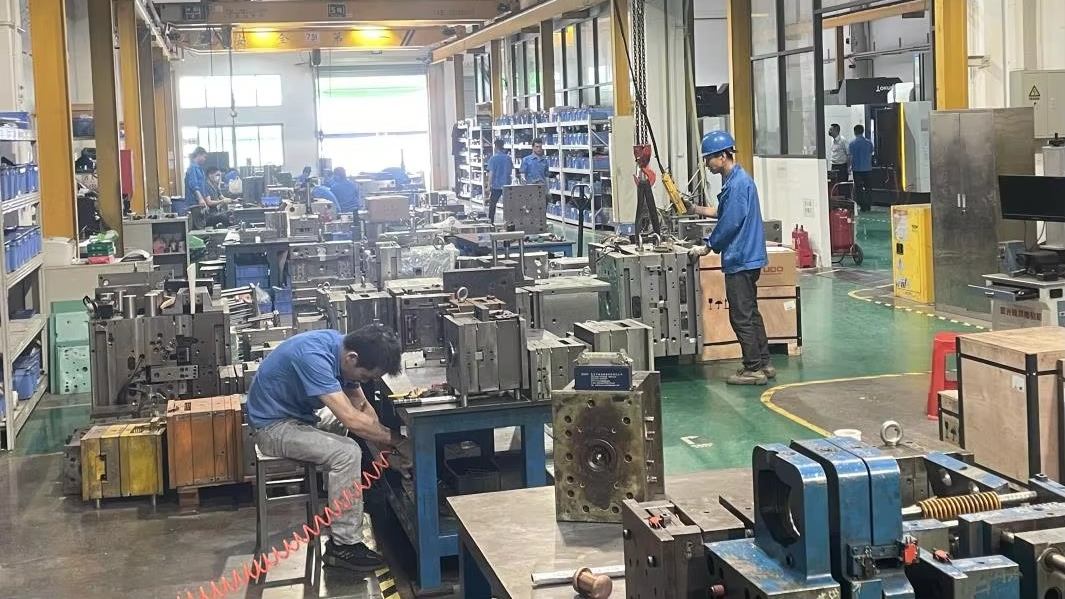 Mold Making
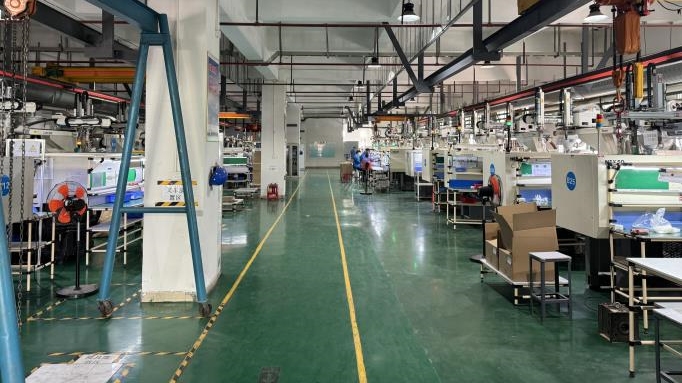 Injection Molding
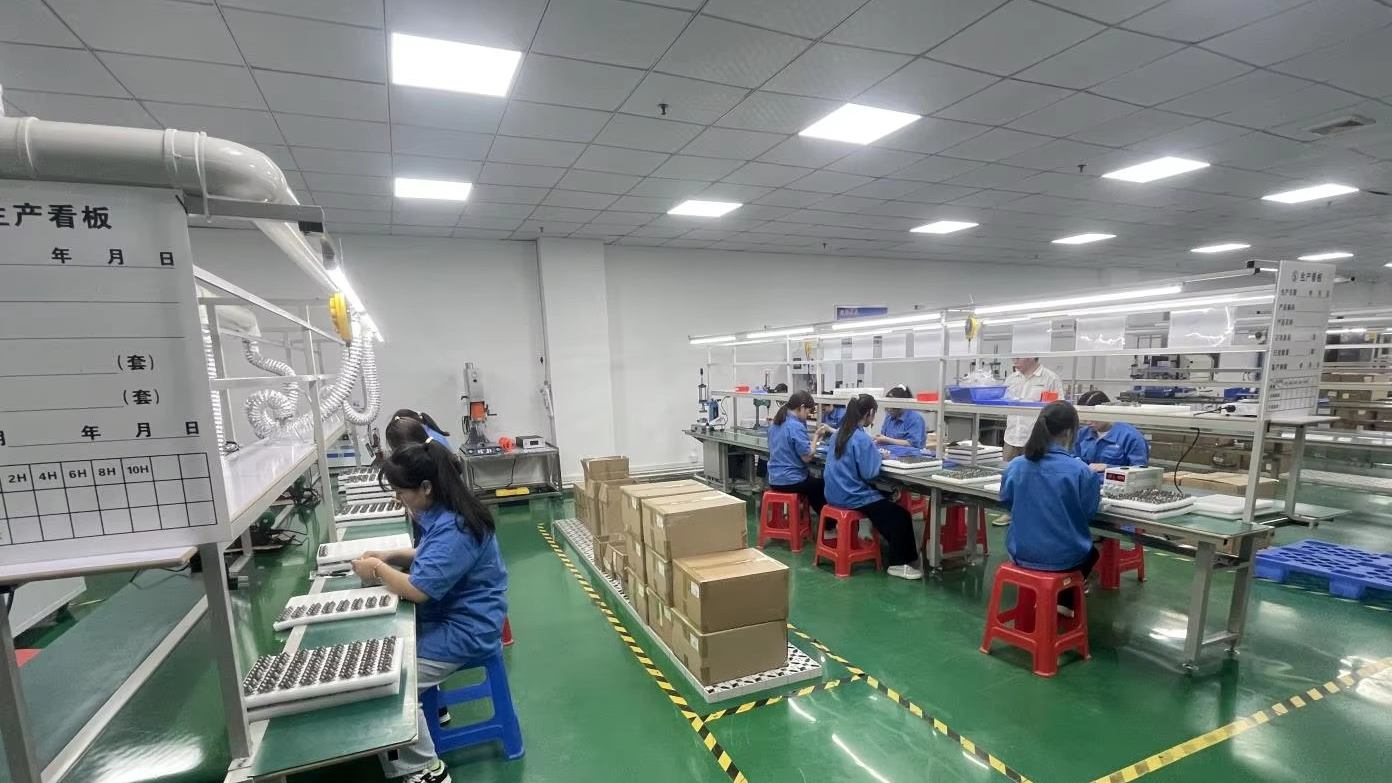 Assemble
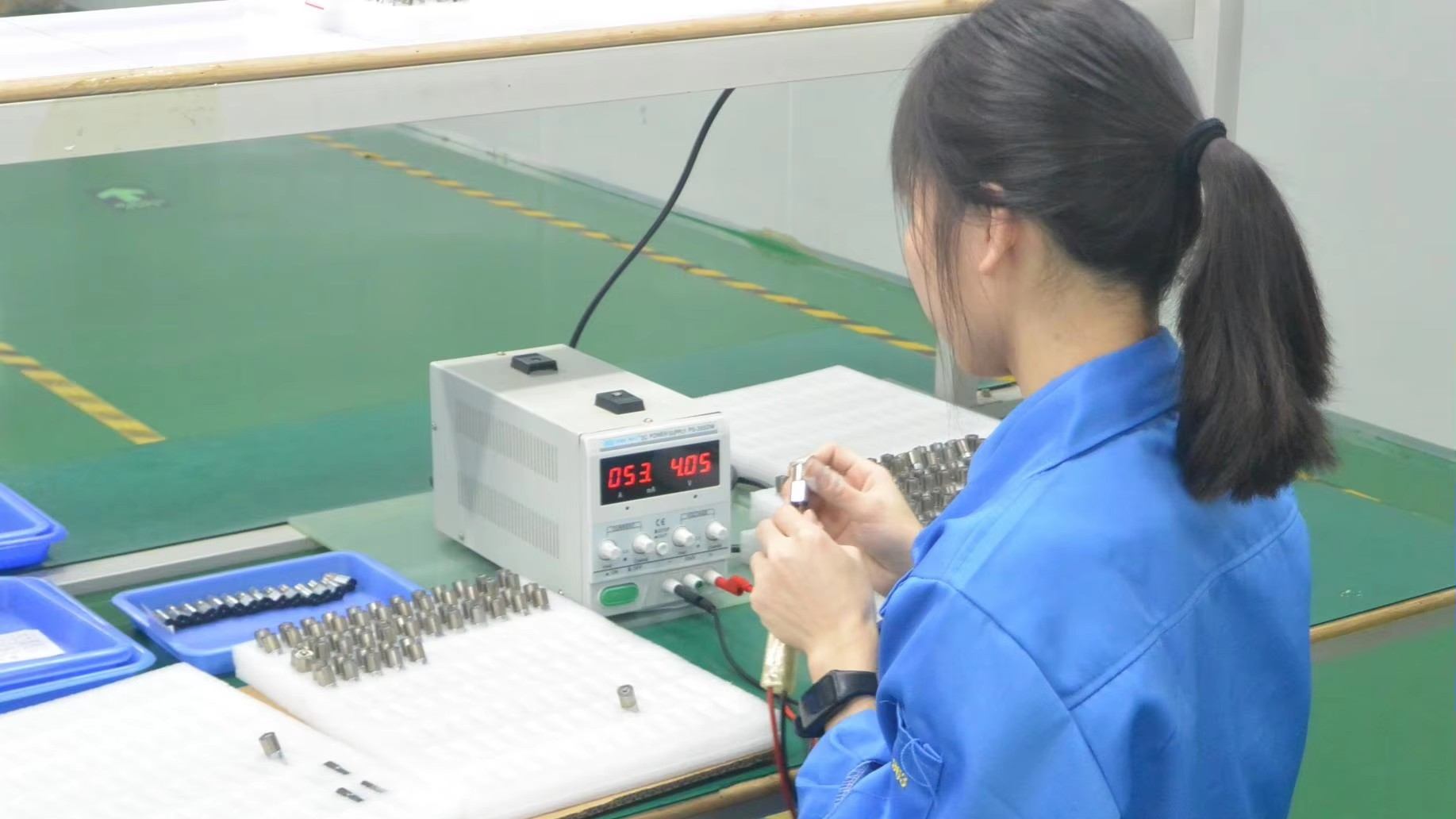 Testing
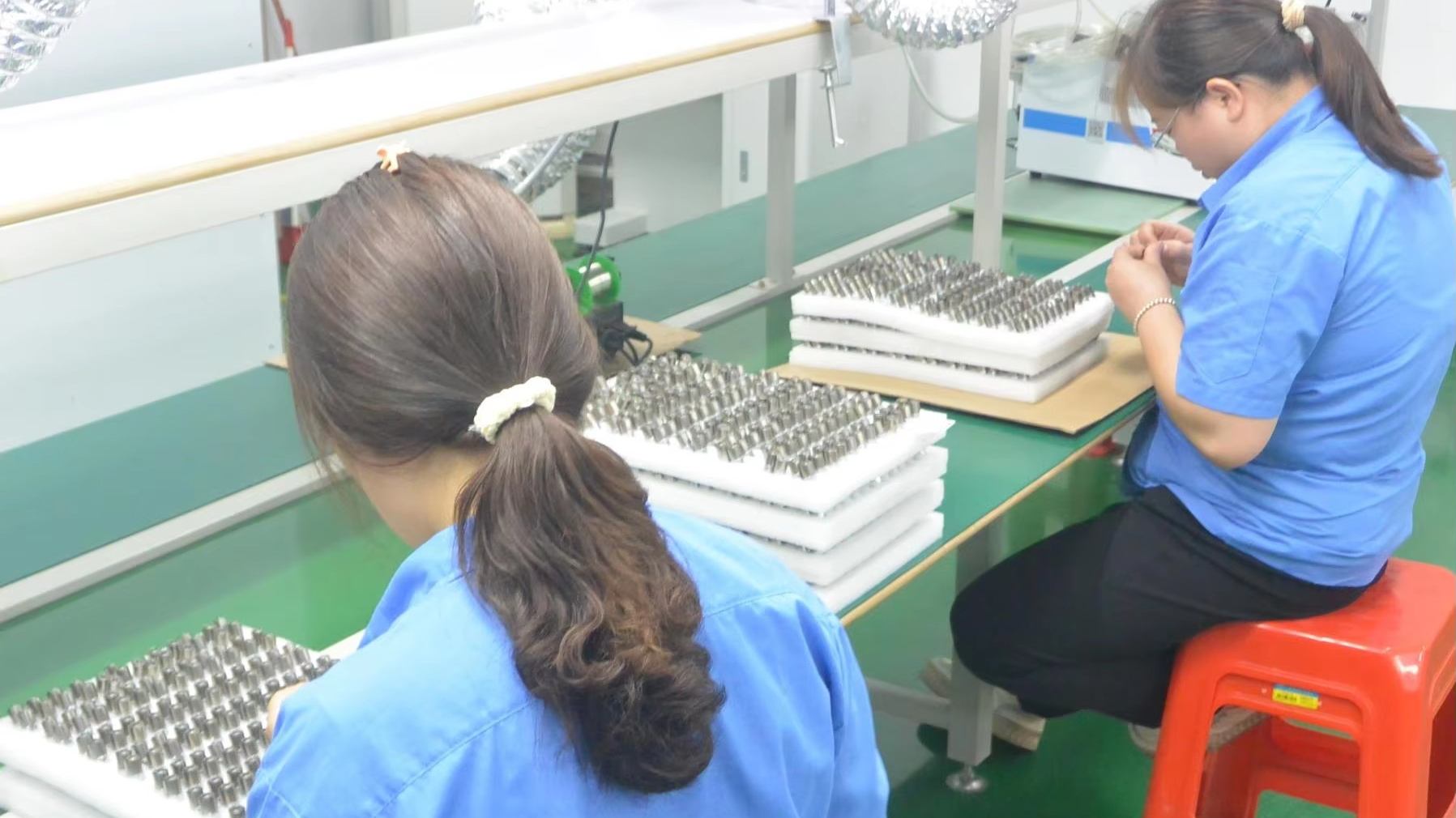 Package
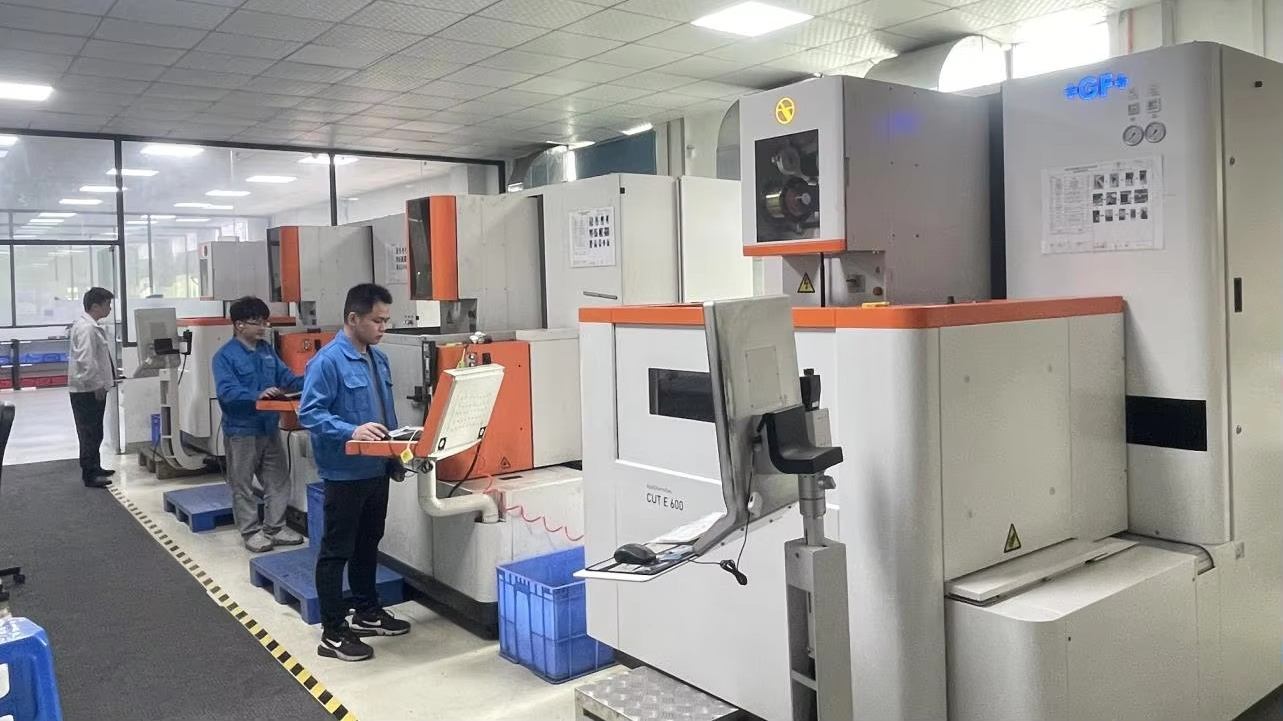 Slow Wire
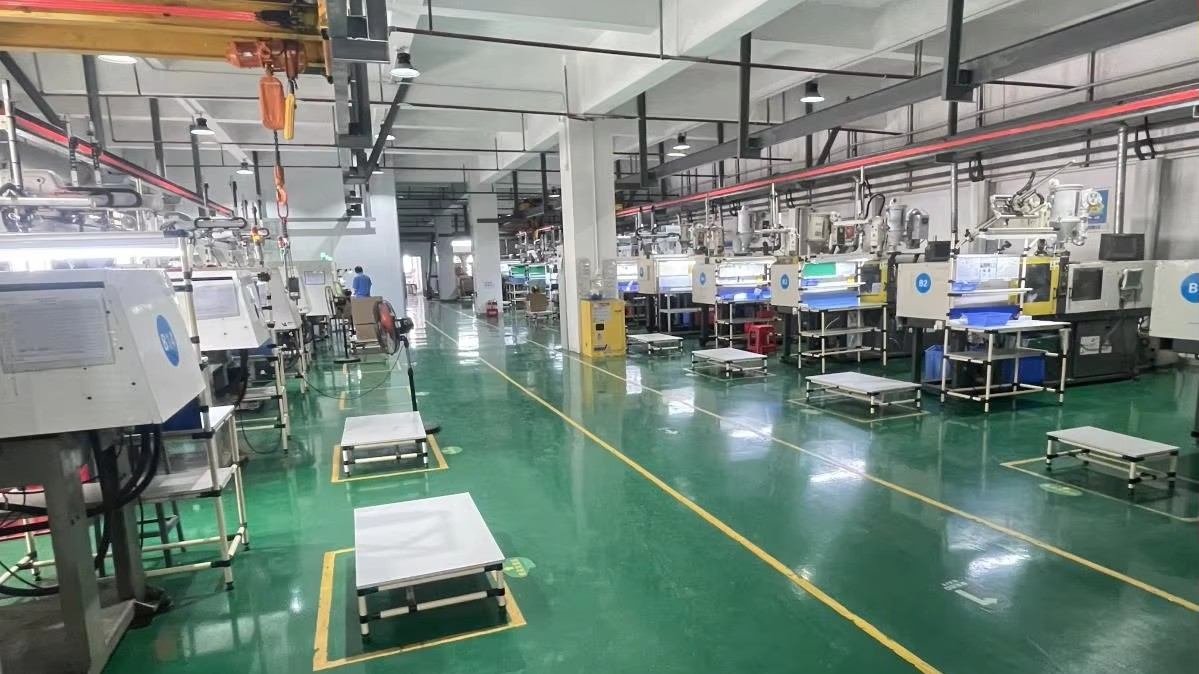 Injection Molding Machine
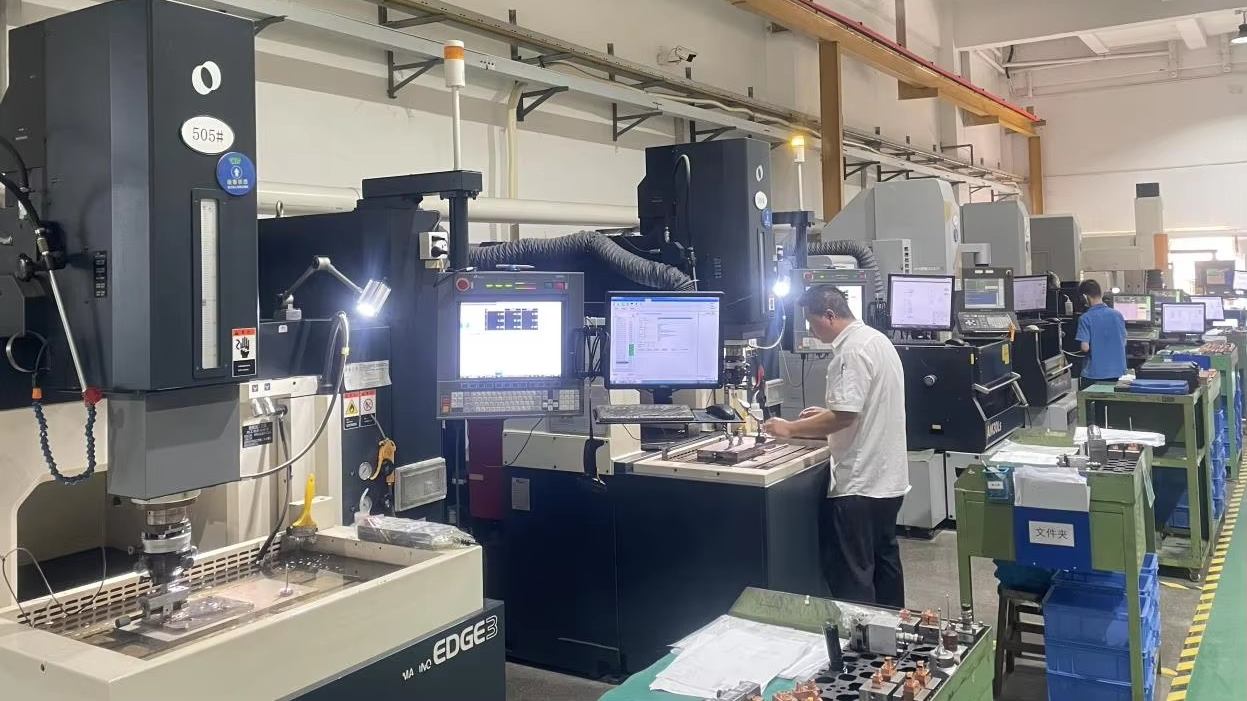 EDM
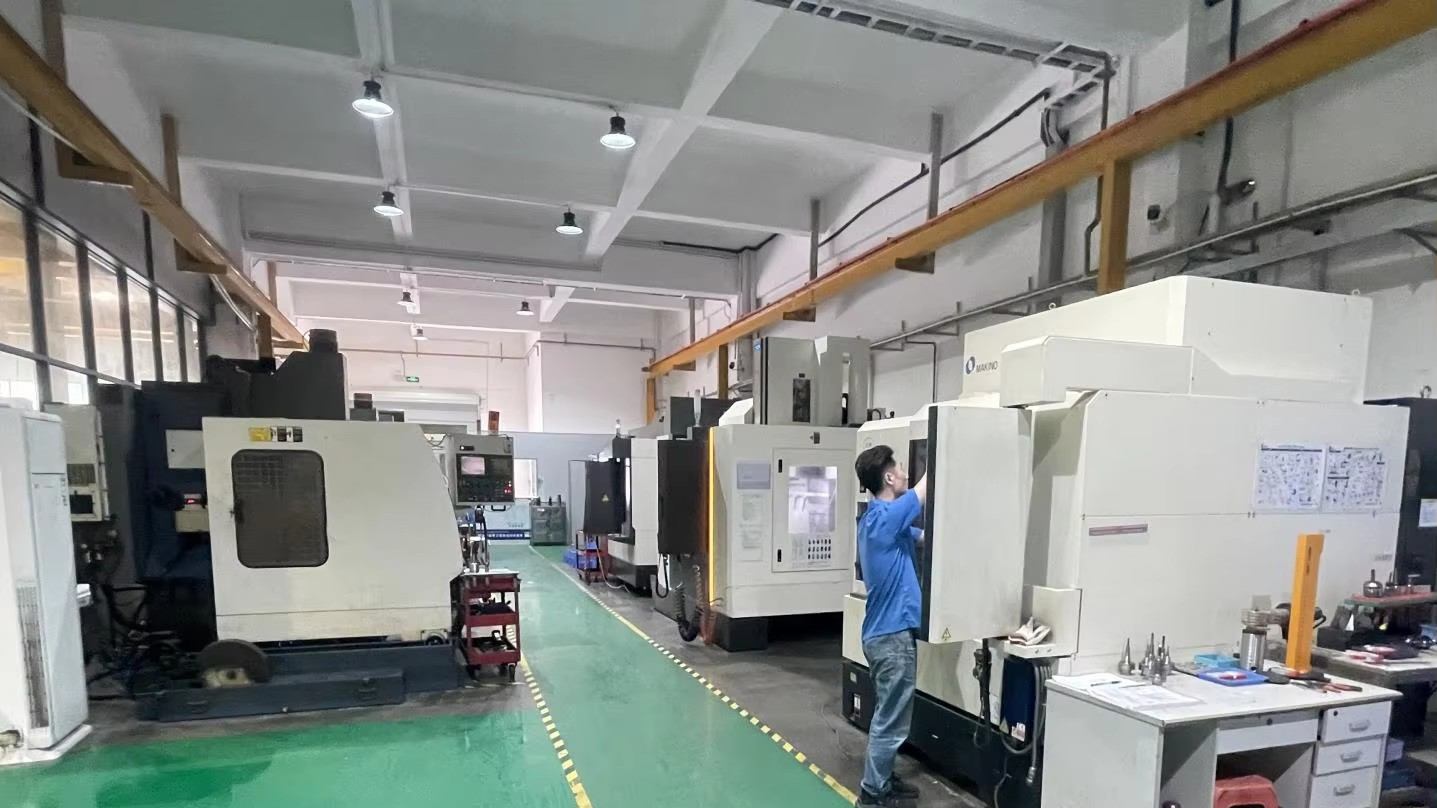 CNC
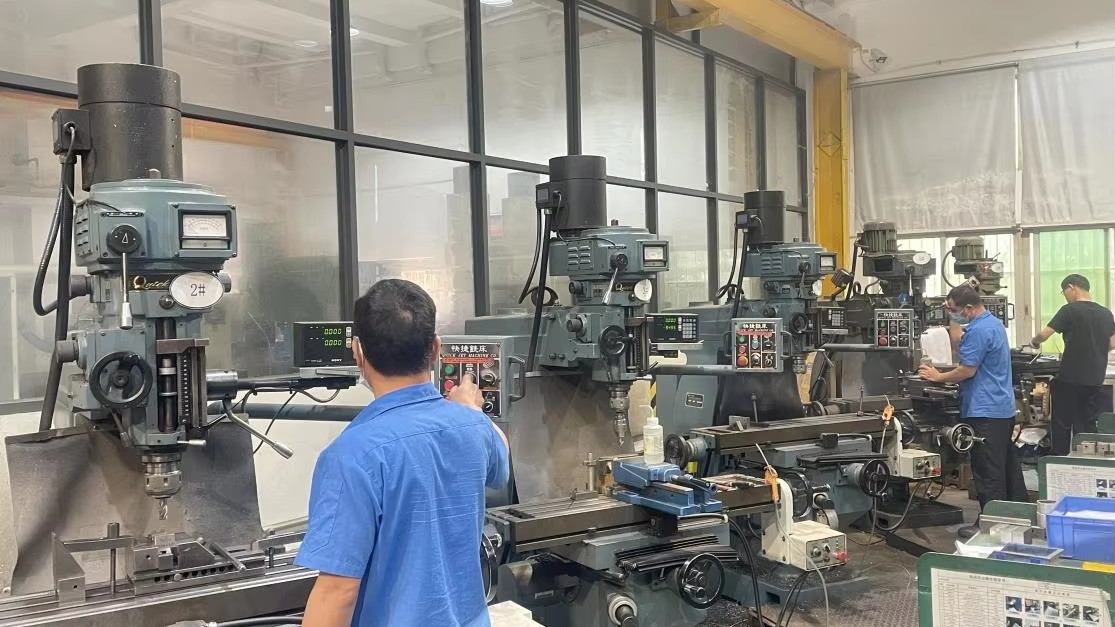 Milling Machine
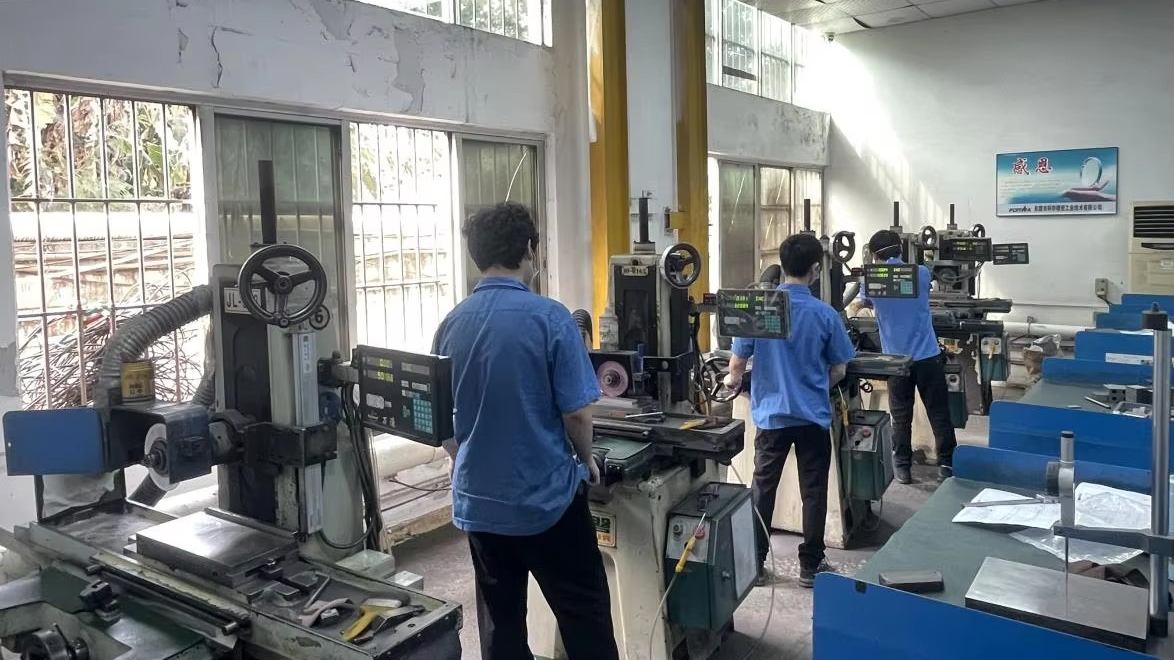 Grinding Machine
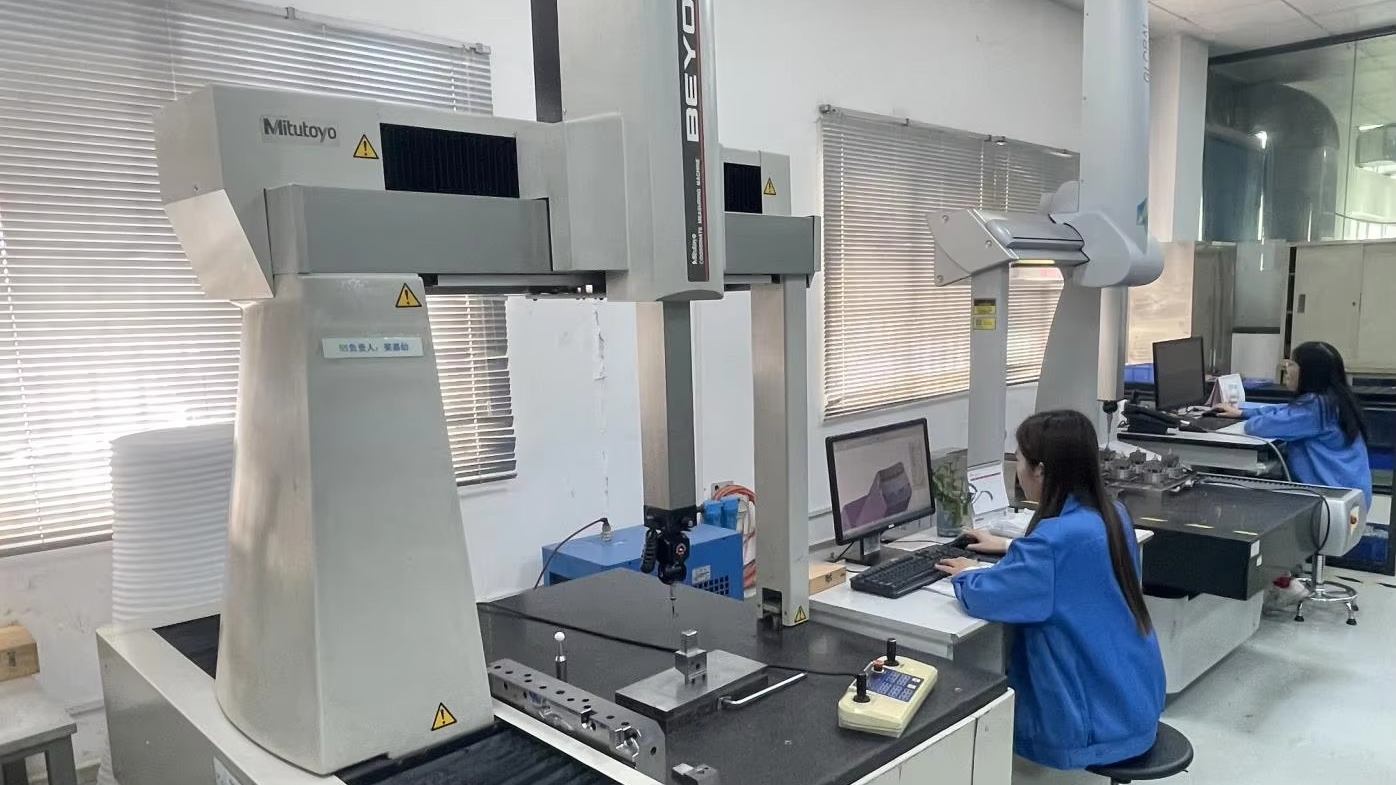 Coordinate Measuring Machine
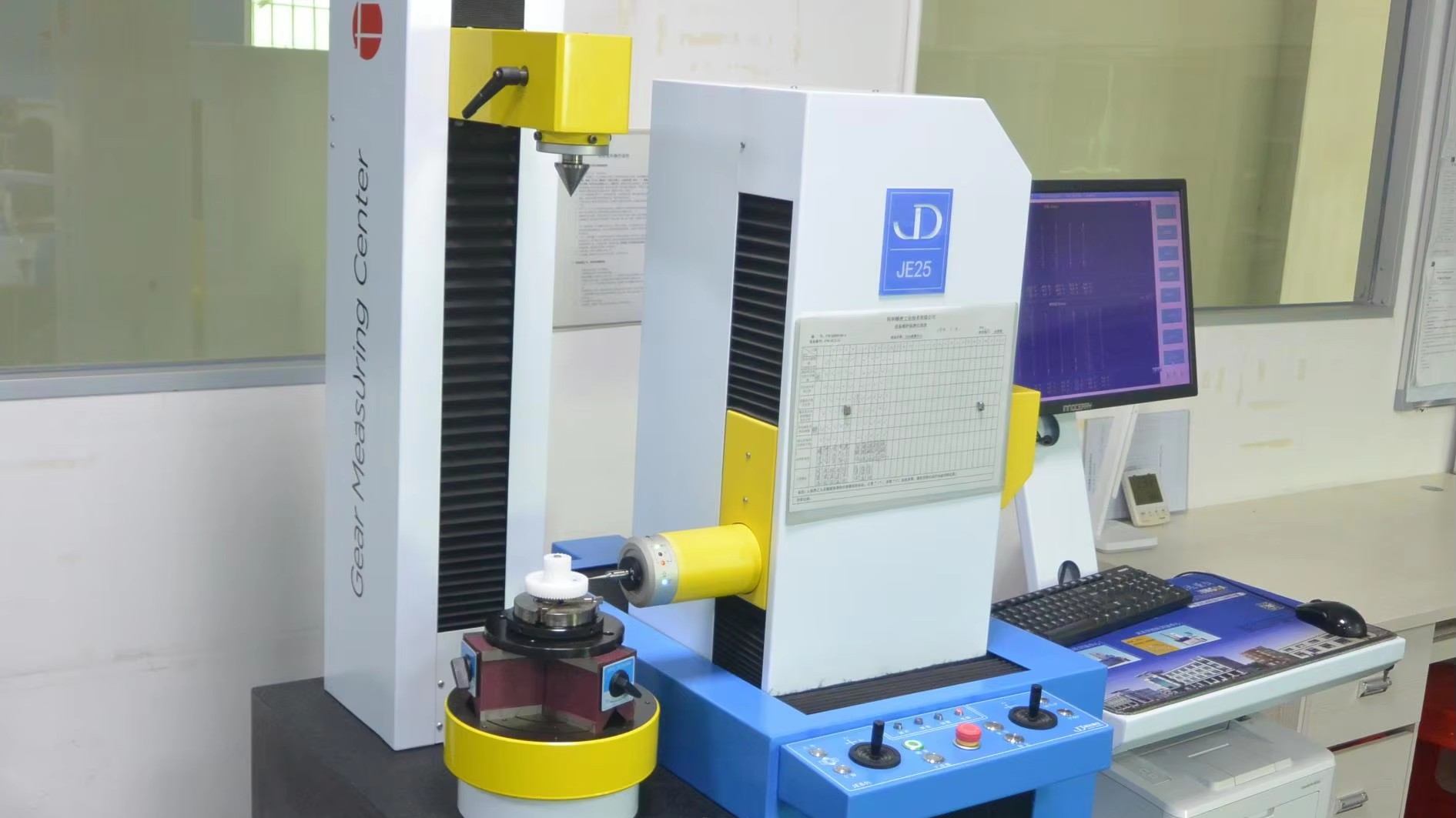 JE25 Measurement Center
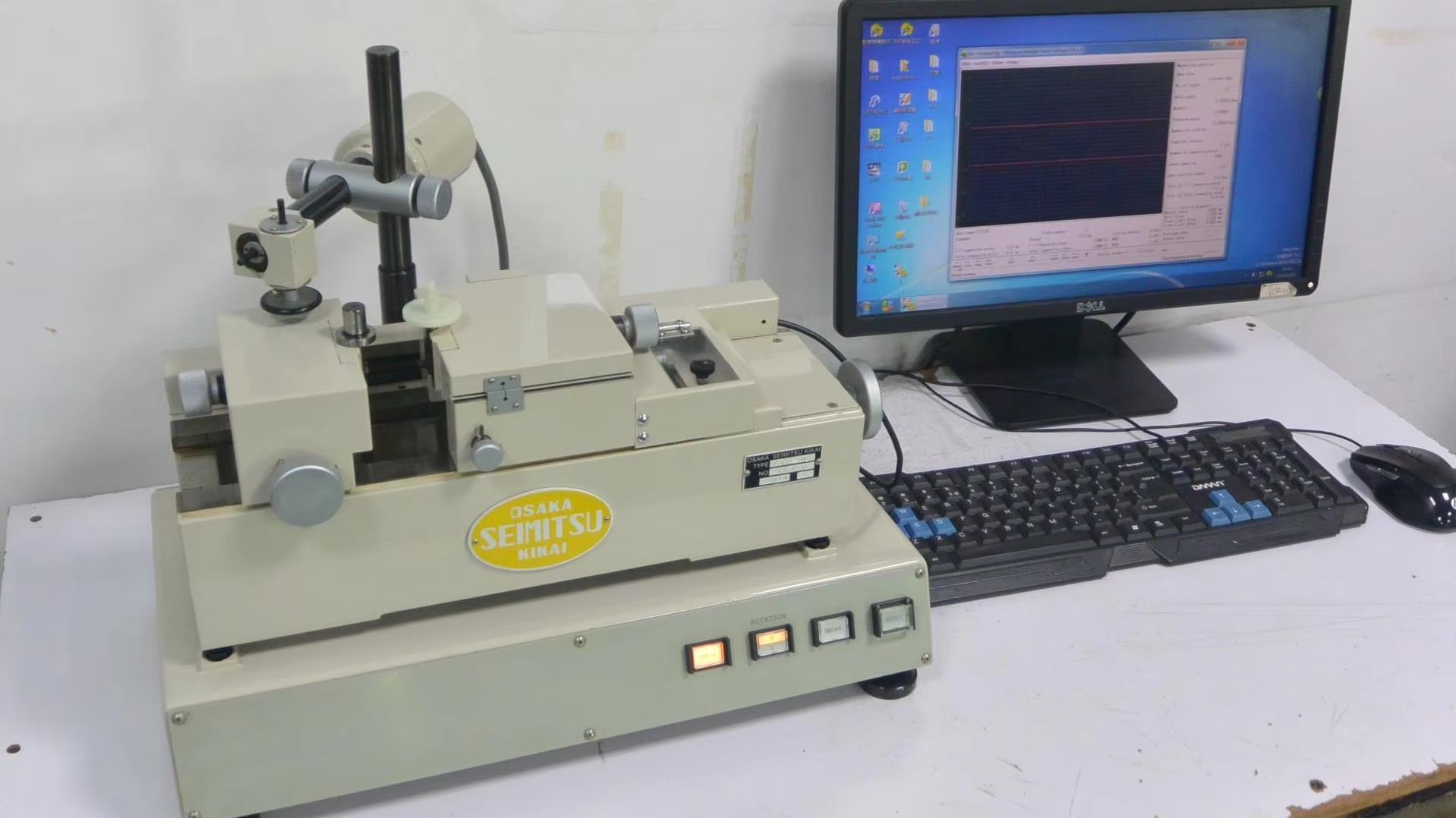 Gear Meshing Instrument
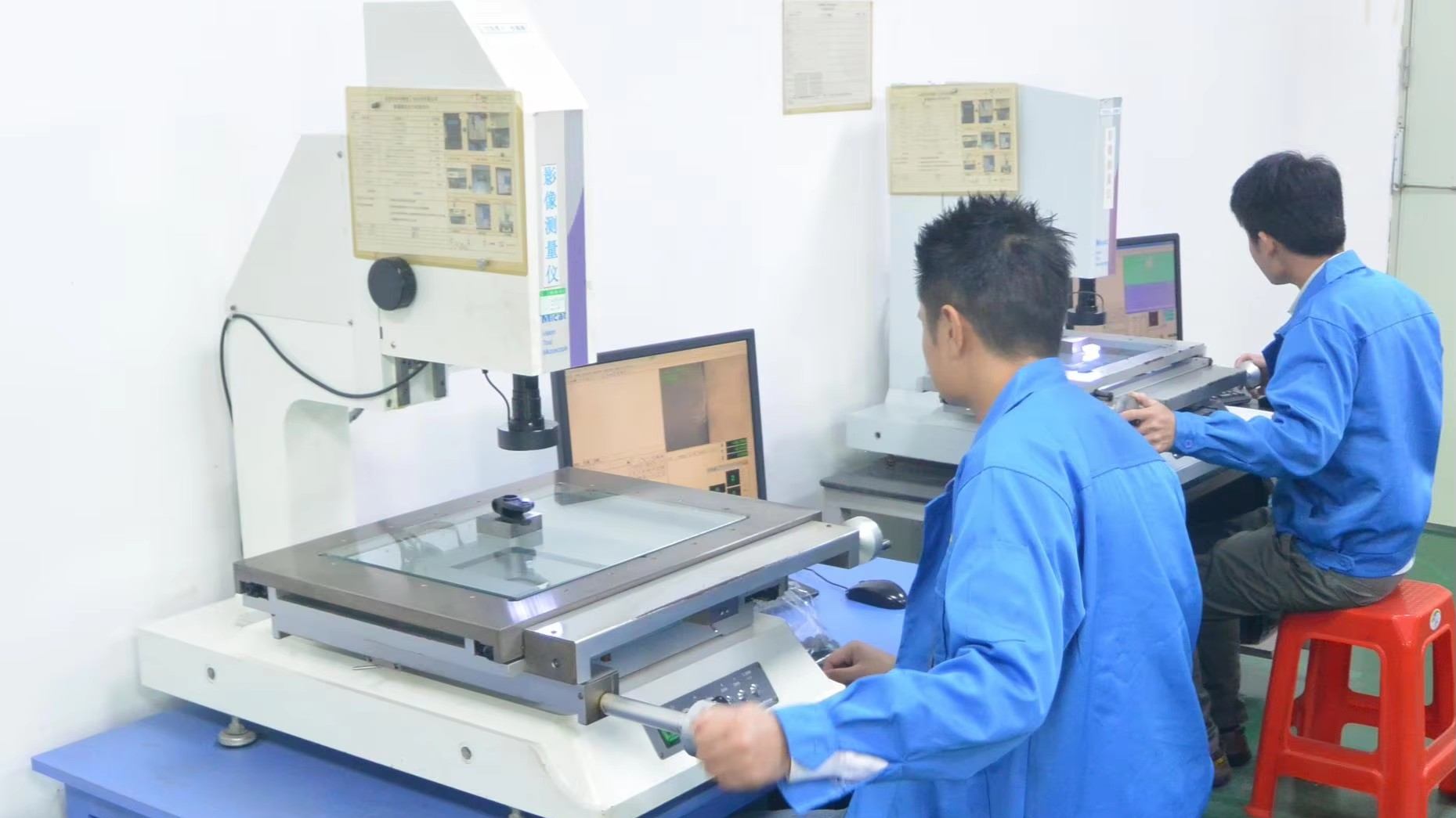 Image Measuring Instrument
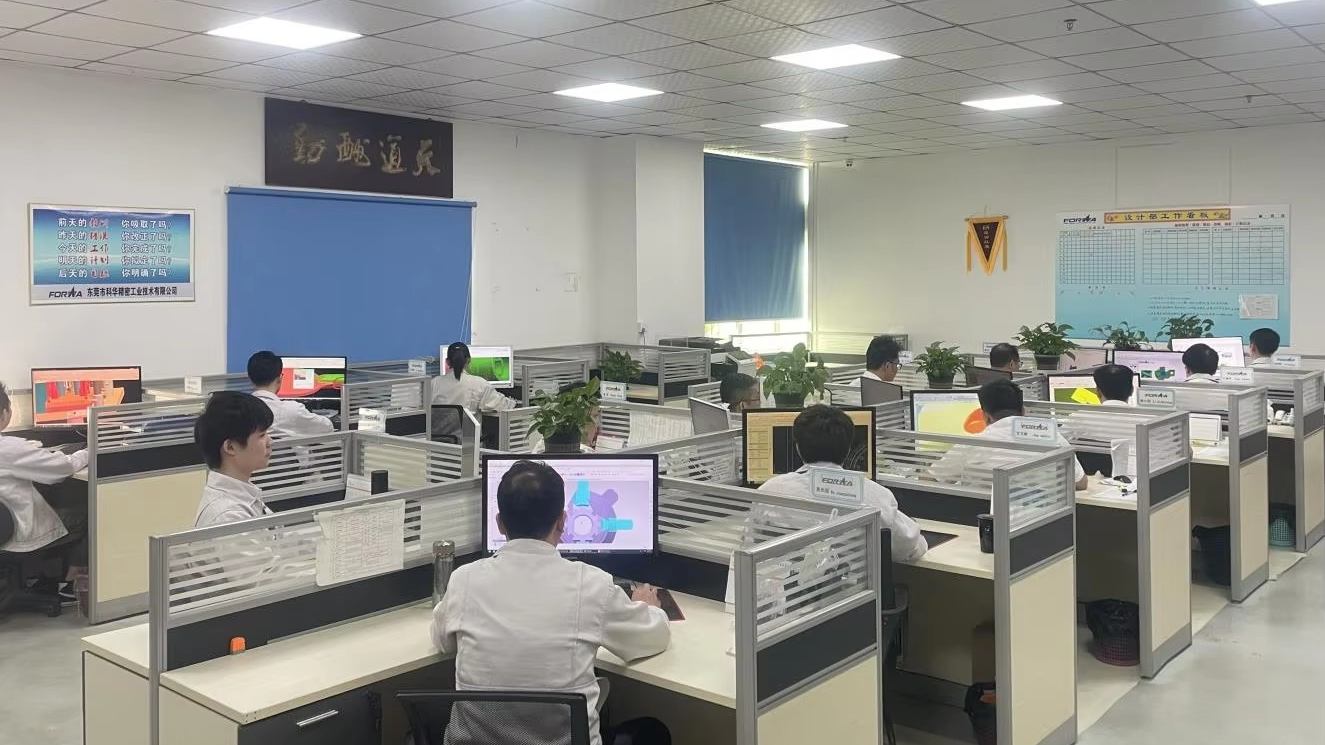 Precision manufacturing equipment detail
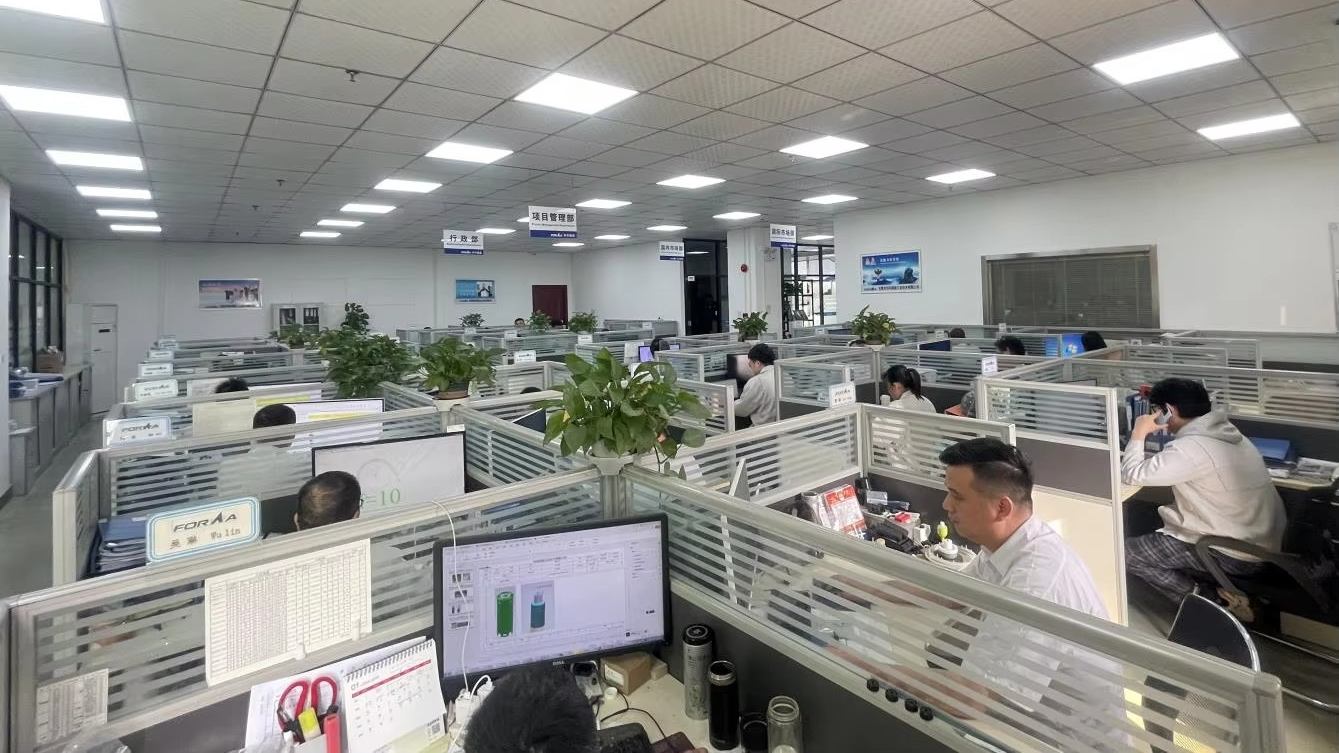 Production equipment detail
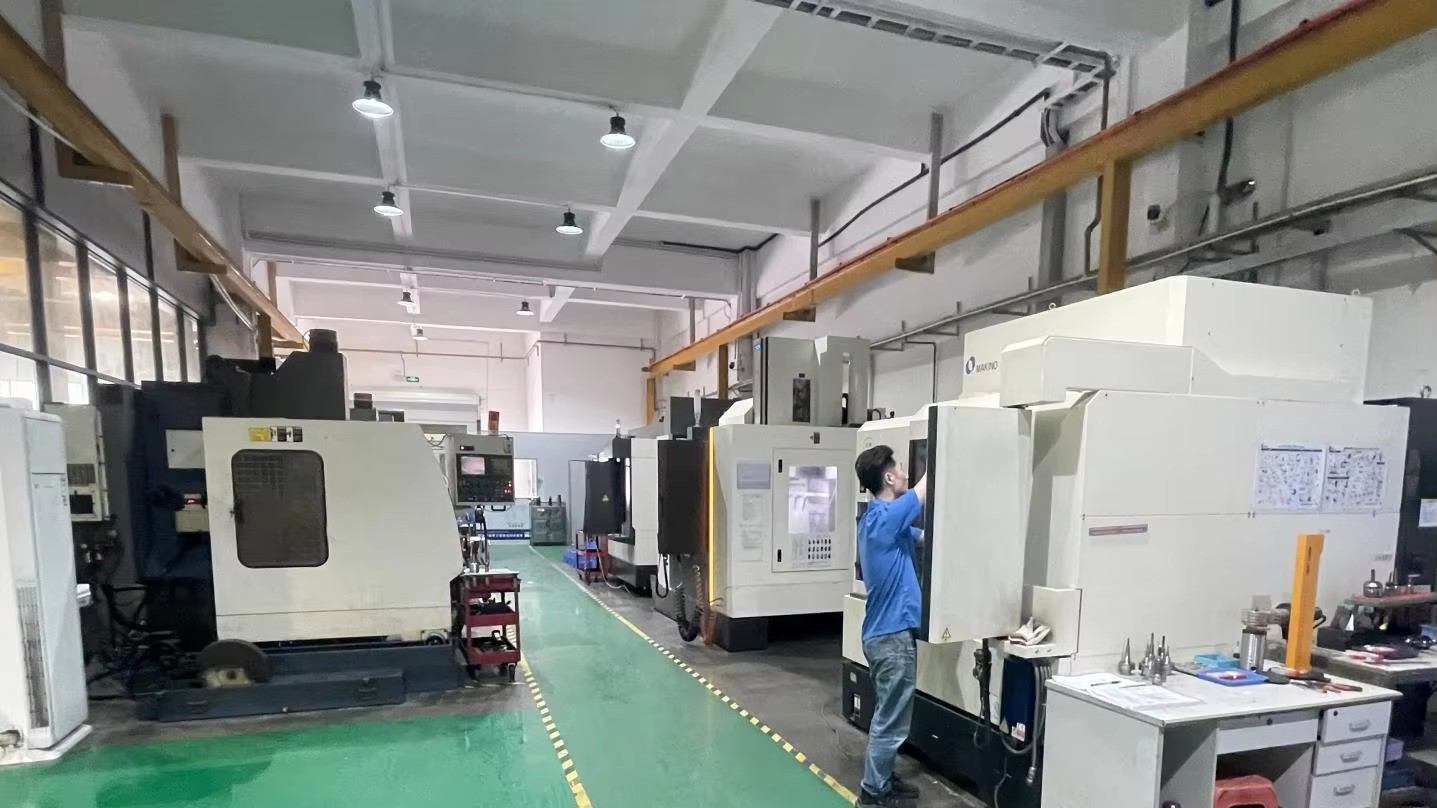 Precision tooling detail
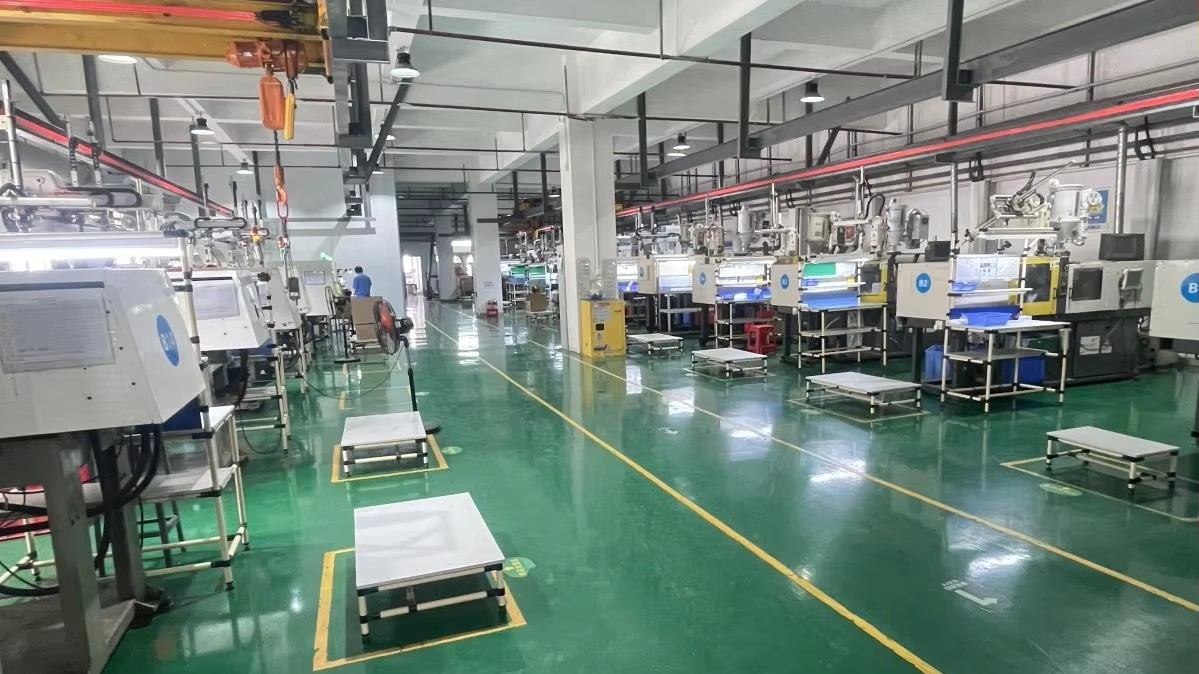 Manufacturing quality equipment detail
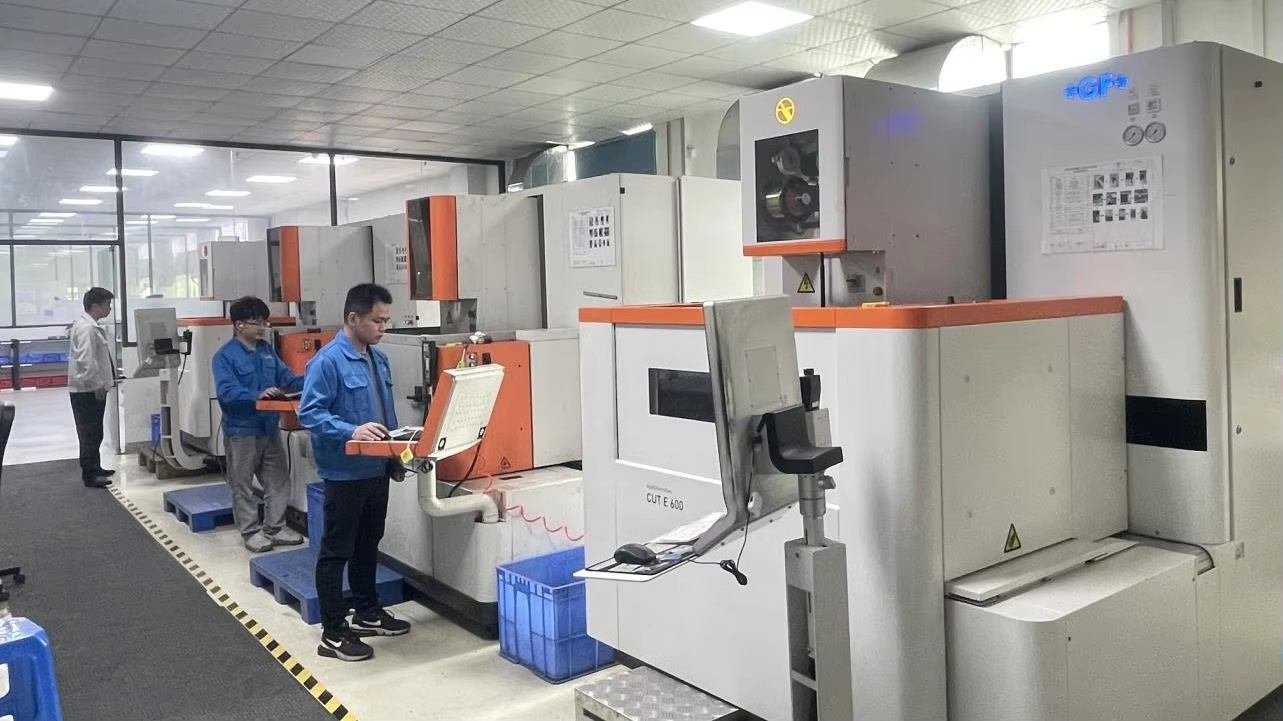 Production workspace detail
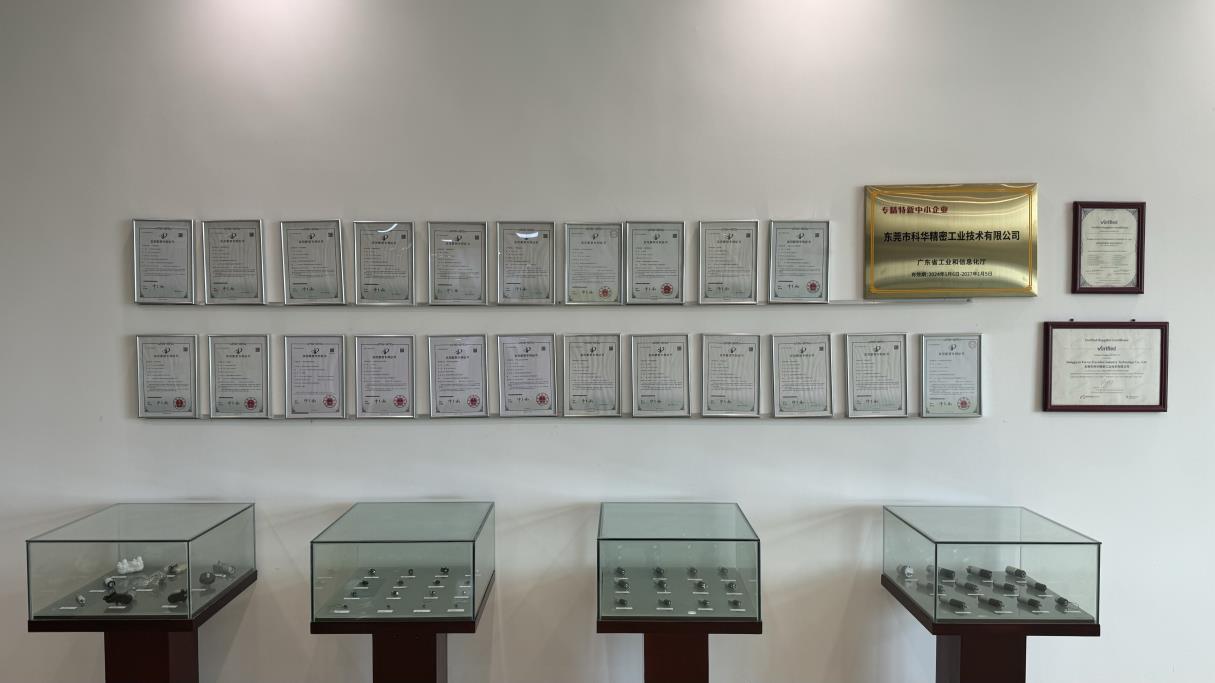 Precision inspection detail
Procurement intent in this category is rarely “find the cheapest motor.” Buyers are searching for a dependable motion partner who can translate an application requirement into a repeatable micro drive, document it clearly, and ship it without surprises.
OEM purchasing teams need predictable tooling, sampling, pilot runs, and mass-production schedules. Factory-direct communication reduces hidden delays between the engineering, production, and export teams.
Speed, torque, voltage, shaft shapes, gear ratios, gear materials, mounting features, connectors, and integrated electronics often need to match the enclosure—not the other way around.
Micrometer-level inspection, gear meshing checks, image measurement, and controlled assembly processes help reduce variation across pilot lots and repeat orders.
Global buyers increasingly request material declarations, dimensional reports, inspection records, packaging details, and current compliance documentation before approval.
Clear technical dialogue matters during RFQ review, 2D/3D drawing validation, sample feedback, and design-for-manufacturing discussions. Language friction becomes schedule risk.
The right quotation balances prototype speed, MOQ flexibility, yield stability, lifecycle consistency, and freight efficiency. A low unit price can be expensive if yields or documentation fail.
Illustrative weighting used by many global OEM sourcing teams; adjust the scorecard to your medical, automotive, industrial, or consumer-electronics program.
Micro electric actuator demand is expanding because products are becoming smaller, smarter, and more automated. The same 6mm–28mm planetary gearbox platform may support very different duty cycles, noise targets, and reliability expectations across industries.
Precision low-noise drives are used in orthopedic handles, infusion pumps, smart baby bottles, and portable health devices where smooth motion, repeatability, and documentation are essential.
Automatic toilet seat covers, electric drying racks, electric toothbrushes, and appliance mechanisms require compact gearboxes, stable torque, and pleasant acoustic performance.
Toy, VR, servo, and remote-controlled aircraft applications benefit from lightweight micro gear motors, coreless motor options, and customized shafts or mounting interfaces.
Automatic sunroof glass, door handles, electric locks, and seat mechanisms demand robust torque density, environmental durability, and consistent factory quality.
Vending machines, coffee systems, and lockers rely on compact actuators and gear motors for repeatable dispensing, locking, and opening/closing movements.
Automatic door handles, smart locks, precision plastic gears, and custom motion assemblies support reliable operation in space-constrained security and access-control products.
The next competitive frontier is not simply smaller motors. It is the ability to deliver higher torque density, lower noise, tighter tolerances, faster customization, and stronger documentation across the full product lifecycle.
6mm to 28mm planetary gearboxes, hybrid plastic-metal gear trains, and application-specific plastic gears continue to push torque into smaller envelopes.
Planetary reduction systems, coreless motors, precision molding, and gear meshing inspection help meet stricter noise and smoothness requirements.
Customized speed, torque, voltage, shaft shapes, and integrated electronics move suppliers from component makers toward motion-subsystem partners.
Automated assembly lines, CMM and image measurement, digital process records, and material documentation support repeatable, export-ready production.
Looking ahead, the strongest exporters will be judged by how quickly they can convert a customer drawing into a validated sample and then into stable volume output. Robotics, medical devices, AR/VR wearables, smart home appliances, automotive access systems, and automated retail are expected to continue driving demand. At the same time, “China+1” strategies will not eliminate China’s motion-control ecosystem; they will push buyers to demand more transparent factories, clearer documentation, and stronger engineering communication from approved Chinese suppliers.
China remains a major source for micro motors, planetary gearboxes, plastic gears, and custom motion assemblies because the country combines a mature supplier ecosystem with fast tooling, flexible production, and deep experience in consumer-electronics manufacturing. For global OEMs, the strategic question is not whether to source from China at all. The better question is how to qualify the right factory and structure the relationship so that speed does not come at the expense of quality.
Global commercial conditions are also changing buyer behavior. Purchasing teams are more sensitive to lead-time volatility, documentation gaps, and undisclosed changes than they were in the past. A supplier that can show process evidence, answer engineering questions in English, and provide consistent inspection records is often more valuable than a marginally cheaper quotation. This is especially true in medical, automotive, and industrial programs where a small gearbox or motor failure can create a costly field issue.
For electric actuator sourcing, the strongest strategy is to combine factory-direct verification, approved drawings, golden samples, and documented inspection. That approach supports China sourcing while reducing the risks that global procurement teams are most focused on: quality drift, communication delay, and compliance uncertainty.
International B2B sourcing succeeds when technical support, documentation, and logistics work together. For a custom micro motor or gearbox program, “localized support” means the buyer receives clear answers, version-controlled files, and shipment-ready packaging.
Dedicated English communication supports RFQ clarification, drawing review, sample feedback, and production updates without multi-layer translation delay.
Review speed, torque, voltage, shaft shape, gear ratio, mounting, connector, and cosmetic requirements before releasing samples for validation.
Where applicable, buyers can request material declarations, RoHS/REACH-related information, inspection records, and configuration-specific compliance documentation.
Export packaging, carton labeling, protection against moisture, and shipping documentation should be defined before mass production to avoid avoidable delays.
Material, process, or supplier changes should be controlled and communicated. Approved golden samples help protect repeat-order performance.
Rapid prototyping can modify speed, torque, voltage, shaft shapes, and integrated electronics before tooling and assembly lines are locked for volume output.
When evaluating a China electric actuator factory, look for evidence that quality is built into the process rather than inspected only at the end. The strongest suppliers can explain how a sample becomes a repeatable shipment.
Confirm performance targets, tolerances, duty cycle, noise expectation, shaft geometry, and acceptance criteria before prototype release.
Validate motor type, gear material, plastic resin, lubricant, and dimensional requirements against the approved specification.
Automated assembly plus in-process inspection helps identify gear meshing, alignment, and rotational issues before final testing.
Final performance checks, packaging review, and inspection records create a clear release package for repeat orders and audits.
Frequently asked questions from global OEM buyers sourcing micro motors, planetary gearboxes, coreless motors, stepper gear motors, and custom plastic gears from China.
Additional export-ready configurations for vending machines, smart home fixtures, personal care devices, automatic access systems, and compact motion assemblies.
 Lahabra Motors