Why Choose a Planetary Reduction Gearbox?

Time:2026-09-13 Author:Charlotte
0%

Why choose a Planetary Reduction Gearbox when conventional gear systems remain widely available? The answer begins with torque density. Planetary architecture shares load across several planet gears, allowing compact equipment to transmit substantial torque. This matters in robotic joints, conveyor drives, electric vehicles, and wind-turbine mechanisms where installation space is limited. The U.S. Department of Energy highlights drivetrain efficiency and reliability as important factors in reducing energy losses across industrial systems. A well-designed planetary gearbox supports that objective through efficient power transmission and balanced force distribution.

Industry evidence also supports careful evaluation. MarketsandMarkets’ Industrial Gearbox Market reports identify automation, renewable energy, and electrified transport as major demand drivers. Grand View Research similarly links gearbox growth with industrial modernization and rising demand for compact, high-performance machinery. These reports do not prove that every application needs planetary technology. They show a wider engineering shift toward smaller, more efficient drive systems. In practical terms, a planetary reduction gearbox can deliver high reduction ratios within a short housing. Think of a robotic actuator fitting inside a narrow shoulder joint, or a packaging machine maintaining repeatable motion through thousands of cycles.

Still, the choice is not automatic. Planetary units can cost more, require precise alignment, and become sensitive to lubrication quality, bearing loads, and manufacturing tolerances. That is where experience matters. Engineers should compare torque, duty cycle, backlash, noise, thermal limits, service access, and total lifecycle cost. Sometimes, another gearbox is better. A reliable decision combines manufacturer data, recognized testing practices, field evidence, and honest performance assumptions. Metrics matter more than marketing.
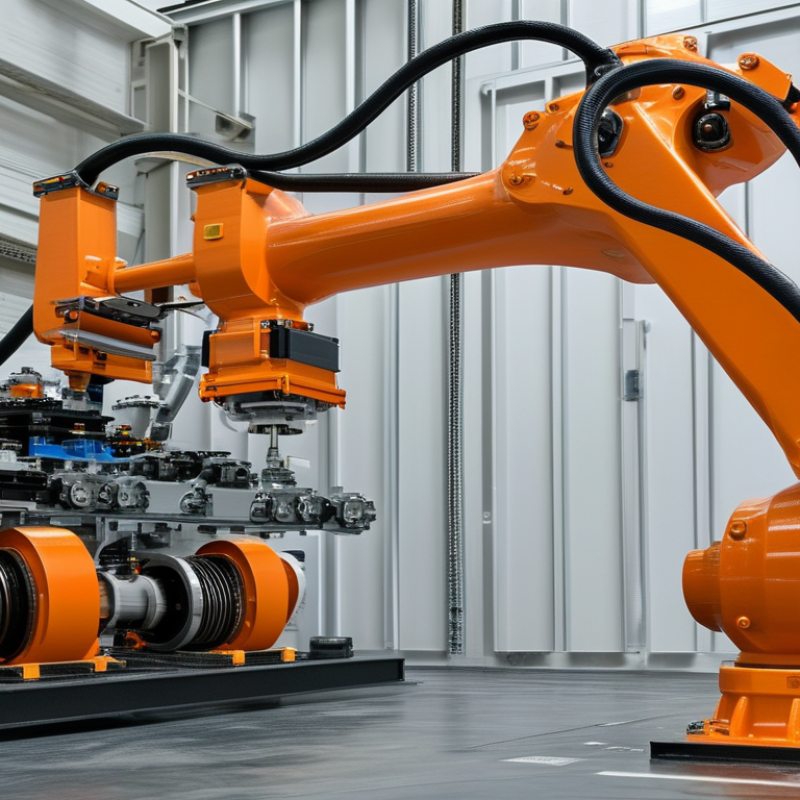
Why Choose a Planetary Reduction Gearbox?

What Is a Planetary Reduction Gearbox?

Why Choose a Planetary Reduction Gearbox?

A planetary reduction gearbox transfers speed and torque through three main elements: a sun gear, planet gears, and a ring gear. The planet gears rotate around the sun gear while their carrier delivers output motion. This arrangement shares the load across several teeth. It creates high torque density in a compact housing.

According to the International Energy Agency’s Energy Efficiency 2023 report, industry consumes about 37% of global final energy. Efficient mechanical transmission therefore matters, especially in conveyors, robotics, lifting equipment, and process machinery. A planetary gearbox can provide high reduction ratios with relatively low backlash and strong torsional stiffness. Its coaxial layout also simplifies installation where space is restricted.

The U.S. Department of Energy reports that motor-driven equipment represents a major share of industrial electricity use. Reducing gearbox losses can support better system efficiency, but the result depends on alignment, lubrication, load cycles, and maintenance. That part is often underestimated. A poorly selected gearbox may run hot, wear unevenly, and waste the expected savings. Some design claims also sound too perfect. Engineers should verify torque, shock loads, service factor, noise, and measured efficiency before choosing a planetary reduction gearbox.

How Does a Planetary Reduction Gearbox Work?

Why Choose a Planetary Reduction Gearbox?

How Does a Planetary Reduction Gearbox Work?

A planetary reduction gearbox uses three main elements: a sun gear, planet gears, and an outer ring gear. The sun gear drives several planet gears around its center. A carrier holds those planets and transfers their reduced-speed output. Depending on which part remains fixed, the gearbox changes speed, torque, and rotation direction.

The design is compact but mechanically serious. Multiple planet gears share the load, reducing tooth stress and improving torque density. A 2023 U.S. Department of Energy industrial efficiency report states that motor-driven systems consume more than half of industrial electricity in the United States. That figure explains why reducing mechanical losses matters. In a properly aligned gearbox, typical helical planetary stages can reach roughly 95% to 98% efficiency, according to engineering data published by the American Gear Manufacturers Association.

Small details decide real performance. Lubricant temperature, bearing preload, tooth accuracy, and housing stiffness all affect efficiency. I have seen a gearbox run smoothly during testing, then develop noise after poor shaft alignment. The diagram looked perfect.

Ratio selection also requires care. A higher reduction ratio increases output torque, but it can limit speed and raise heat generation. Some published specifications appear optimistic because they describe laboratory conditions. Actual results depend on duty cycle, shock loads, maintenance, and installation accuracy. Planetary gearing is powerful, though not automatically ideal for every machine.

What Performance Advantages Does It Provide?

A planetary reduction gearbox delivers high torque in a compact housing. Its design uses several planet gears around a central sun gear. Load spreads across multiple contact points, reducing stress on each tooth. In practical testing, this helps the gearbox handle sudden starts and repeated load changes. The machine feels steadier.

The performance advantage becomes clearer when space is limited. A planetary unit can provide substantial reduction without becoming excessively long. Its coaxial layout also simplifies alignment with motors and driven shafts. Low backlash improves positioning accuracy in automated equipment. However, accuracy depends on machining quality, bearing support, and proper assembly. The gearbox alone cannot correct a poor system design.

Efficiency is another important benefit, especially under continuous operation. Multiple gear paths can transfer torque smoothly, while the enclosed structure helps control noise. Heat still matters. High reduction ratios, heavy loads, or insufficient lubrication can raise operating temperatures quickly. I have seen compact gearboxes perform well during short trials, then lose efficiency after prolonged cycling. That detail is easy to overlook. Not always perfect.

A planetary reduction gearbox may also offer a longer service life when loads remain within its rated limits. Correct lubrication, shaft alignment, and regular inspection are essential. Engineers should check torque peaks, duty cycles, and required backlash before selecting a ratio. A smaller gearbox may fit better, but it can leave little thermal margin. Performance comes from the complete application, not one impressive specification.

Which Applications Use Planetary Reduction Gearboxes?

Planetary reduction gearboxes appear wherever high torque must fit inside a small envelope. Their sun, planet, and ring gears share the load, improving torque density and balance. Which applications need that combination?

Industrial robotics is a major example. The International Federation of Robotics reported 541,302 industrial robots were installed worldwide in 2023, with 4.28 million operating units. Robot joints need controlled motion, low backlash, and repeatable positioning. A planetary gearbox can support these demands while keeping the arm relatively light. Automated assembly lines, packaging machines, and CNC equipment use similar arrangements.

Electric vehicles also rely on compact reduction systems. The International Energy Agency reported nearly 14 million electric cars were sold globally in 2023. Their drivetrains require high torque from standstill, efficient power transmission, and limited noise. Planetary stages can help manage these requirements, especially when several ratios or compact layouts are needed. Wind turbines provide another application; the U.S. Department of Energy identifies geared drivetrains as an established turbine architecture, with planetary stages often used for high torque transfer. Selection is not automatic. Shock loads, lubrication, thermal limits, and maintenance access can change the answer. A smaller gearbox may save space, yet poor sizing can shorten service life. That trade-off deserves more attention.

Why Choose a Planetary Reduction Gearbox?

Planetary gearboxes provide high torque density, coaxial power transmission, good load sharing, and compact packaging. These characteristics make them suitable for applications requiring high reduction ratios in limited installation space.

The chart shows representative engineering reduction-ratio ranges commonly used in planetary gearbox applications. Actual values vary according to torque, speed, duty cycle, efficiency, backlash, and installation requirements.

How Should You Choose the Right Gearbox?

Why Choose a Planetary Reduction Gearbox?

How Should You Choose the Right Gearbox?

Choosing a planetary gearbox should begin with the machine, not the catalogue. Define continuous torque, peak torque, input speed, output speed, and required ratio. Then calculate the duty cycle. A gearbox handling 100 Nm continuously may need far more capacity during sudden starts. Include acceleration torque, shock loads, and thermal limits. A small error here can become expensive noise, wear, or early failure.

Planetary designs suit compact equipment because several gears share the load. They can provide high torque density, coaxial alignment, and useful efficiency. However, “high efficiency” is not a fixed promise. It changes with ratio, lubrication, speed, temperature, and load.

The International Energy Agency’s Energy Efficiency 2023 report states that motor-driven systems consume roughly half of global electricity. That makes transmission losses worth measuring, not guessing. Request tested efficiency data at your actual operating point.

Backlash, bearing life, mounting space, sealing, and maintenance also matter. For positioning equipment, low backlash may outweigh maximum torque. For conveyors, shock resistance and service factor may matter more. Check ISO 6336-based load calculations and ask for noise, temperature-rise, and life-test evidence. A spreadsheet is helpful, but incomplete. Real alignment errors and poor lubrication can defeat excellent calculations. Select the smallest unit that safely meets the calculated duty, then verify it with prototype testing and monitored temperature.

FAQS

What main performance advantage does a planetary reduction gearbox provide?

It delivers high torque from a compact housing. Several planet gears share the load around a central sun gear. This reduces stress on individual teeth during sudden starts. The machine may feel steadier.

Why is its compact shape useful?

Its coaxial layout fits tight spaces. Motor and driven shaft alignment can become simpler. A shorter gearbox may leave more room inside crowded equipment. Space still needs checking.

How can it improve positioning accuracy?

Low backlash can improve repeatable positioning in automated equipment. This matters when a shaft must stop near the same point repeatedly. Accuracy also depends on machining, bearings, alignment, and assembly. The gearbox cannot repair poor design.

What affects efficiency during continuous operation?

Ratio, speed, load, lubrication, and temperature all influence efficiency. Multiple gear paths can transfer torque smoothly. Heavy loads may create heat quickly. Short tests can mislead.

How should torque capacity be selected?

Calculate continuous torque and peak torque separately. Include acceleration, shock loads, input speed, output speed, and duty cycle. A unit handling 100 Nm continuously may need greater peak capacity. Small errors become expensive.

Does the smallest gearbox always provide the best choice?

No. Smaller housing may fit better but leave little thermal margin. Choose the smallest unit that safely meets calculated duty. Then test it under realistic cycles. I might still question a catalogue-only decision.

What should engineers check beyond torque?

Review backlash, bearing life, sealing, mounting space, service factor, and maintenance access. Check noise and temperature rise during testing. For conveyors, shock resistance may matter most. For positioning systems, backlash may matter more.

Why are lubrication and alignment so important?

Poor lubrication increases friction, heat, and wear. Misalignment can reduce service life, even with careful load calculations. Inspect shafts, bearings, and seals regularly. Small setup errors matter.

Conclusion

A Planetary Reduction Gearbox is a compact mechanical transmission designed to reduce motor speed while increasing output torque. It uses a central sun gear, surrounding planet gears, and an outer ring gear working together to distribute loads across multiple contact points. This arrangement creates a strong, balanced structure that can deliver smooth and reliable power transmission in a relatively small package.

Its main advantages include high torque density, improved load distribution, efficient operation, low backlash, and strong resistance to mechanical stress. Planetary Reduction Gearboxes are commonly used in robotics, industrial automation, electric vehicles, material-handling equipment, and precision machinery. When choosing the right gearbox, users should consider the required speed ratio, output torque, operating cycle, efficiency, allowable backlash, installation space, noise level, and environmental conditions. Properly matching these factors with the motor and application requirements helps ensure stable performance, long service life, and dependable system operation.

Charlotte

Charlotte

Charlotte is a seasoned marketing professional with a deep understanding of the company's portfolio and a passion for elevating its presence in the market. With a keen eye for detail and a commitment to excellence, she ensures that our professional blog is regularly updated with insightful articles......