Global buyers are searching for Affordable Gear Systems that balance price, durability, and dependable performance. The industrial gear market is expanding as manufacturers invest in automation, material handling, renewable energy, and compact machinery. Grand View Research identifies industrial gearboxes as a continuing growth segment, supported by factory modernization and infrastructure development. These trends create opportunity, but low purchase prices can hide higher maintenance costs.
A practical comparison should examine torque capacity, gear ratio, operating temperature, noise, sealing, and service access. A small gearbox on a dusty conveyor may need stronger seals than one used indoors. The International Organization for Standardization provides ISO 6336 methods for evaluating cylindrical gear load capacity. AGMA standards also support more consistent gear rating and quality checks. Buyers should request test data, material specifications, warranty terms, and replacement-part availability. Documentation matters.
Price is only one part of value.
This guide reviews ten systems for different budgets and applications, from compact planetary units to standard helical gearboxes. The selection considers efficiency, installation space, supplier transparency, and long-term support. The U.S. Department of Energy has repeatedly highlighted the importance of motor and drive efficiency in reducing industrial energy consumption. However, gearbox efficiency varies with load, lubrication, alignment, and operating conditions. Reported figures may not match workshop reality.
That is the difficult part. A cheaper system can become expensive after one failed bearing or delayed shipment. Buyers should verify regional certifications, voltage compatibility, customs requirements, and local technical support before ordering. No ranking can fit every factory. Careful site evaluation remains essential.
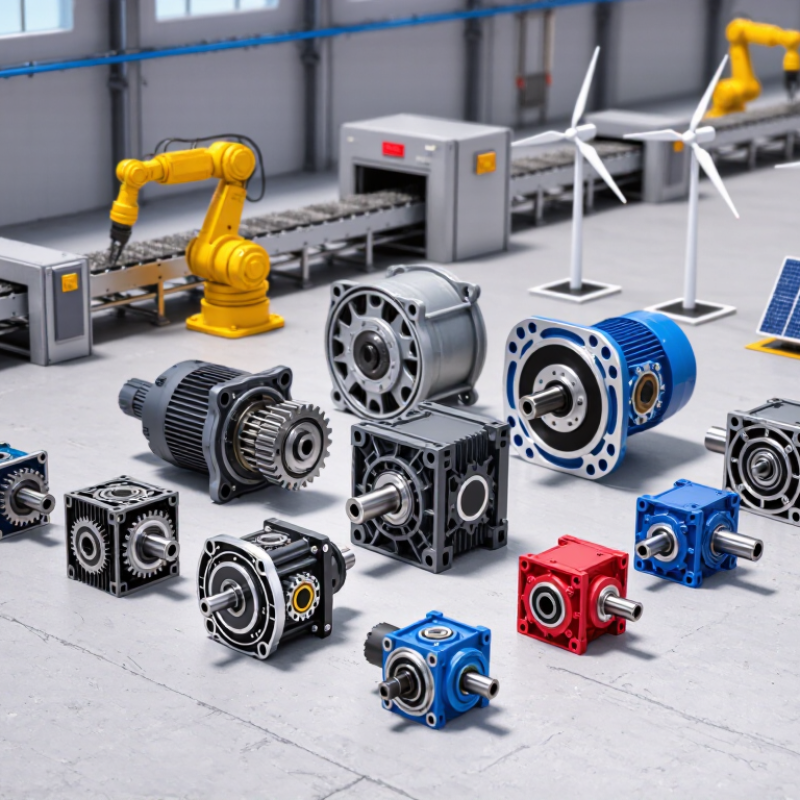
Affordable gear systems are not simply the cheapest units on a supplier’s list. They should deliver dependable torque, suitable speed control, and manageable maintenance costs. A lower purchase price can hide expensive replacements, difficult installation, or unavailable spare parts.
Global buyers should calculate the full operating cost. Check gear material, housing protection, lubrication needs, noise levels, and expected service intervals. For example, a small workshop in a humid coastal area may need sealed protection and corrosion-resistant components. A dry inland facility may prioritize dust control instead.
Compatibility matters too. Verify voltage, mounting dimensions, shaft size, load capacity, and local safety requirements before ordering. Request clear test data, inspection records, and written warranty conditions. Reliable suppliers should explain limits, not only advertise performance.
Ask for practical evidence.
A supplier that offers repair guidance and accessible replacement parts can reduce downtime. Regional delivery times also affect affordability, especially when production depends on one gearbox. Comparing three quotations is useful, but identical specifications are essential.
My own evaluation would not rely on price alone. Some “budget” systems appear efficient during testing but become costly after months of vibration. That possibility deserves attention. No checklist is perfect. Buyers should leave room for trial units, independent inspection, and honest review after installation.
Affordable gear systems can look similar online, yet their real costs often differ. Compare the purchase price with shipping, taxes, spare parts, and installation tools. A low-cost unit may become expensive after one damaged tooth. Ask for clear drawings, material details, load ratings, and test records. Vague specifications deserve caution.
Quality begins with the gear material and manufacturing accuracy. Hardened steel may handle heavy loads, while reinforced polymers can suit lighter, quieter equipment. Check tooth alignment, surface finish, lubrication needs, and expected service life. Request sample measurements when possible. Small errors can create noise, heat, or early wear.
Compatibility is equally important for global buyers. Confirm shaft diameter, mounting holes, gear ratio, rotation direction, voltage requirements, and accepted safety standards. Metric dimensions may not replace imperial parts without adapters. Regional support also matters, especially when replacement parts cross borders.
I have seen buyers choose a cheaper system, then discover that one connector was incompatible. The spreadsheet looked convincing. The installation was not.
A practical comparison should score price, quality, compatibility, documentation, warranty terms, and delivery reliability. Independent inspection can reduce uncertainty before a large order. Still, no checklist catches everything. Leave room for testing and revision. The best value usually fits the application, not merely the budget.
Affordable gear systems are easier to choose when grouped by practical use. Modular storage systems suit commuters, students, and small workshops. They combine pouches, cases, and adjustable dividers. A compact case can protect tools, cables, or medical supplies during daily travel. Look for reinforced stitching, water-resistant fabric, and replaceable fasteners. Cheap plastic may crack in cold weather.
Load-carrying systems support hiking, field work, and extended travel. Backpacks, waist packs, and chest harnesses distribute weight across the body. Adjustable straps matter more than decorative features. A useful pack should hold the expected load without pulling your shoulders backward. Test it with real equipment. Empty-store comfort can be misleading. Breathable padding also helps in humid regions, although it may increase weight.
Shelter and cooking systems serve campers, emergency planners, and remote workers. Lightweight shelters reduce transport costs, while compact cookware saves space and fuel. Select materials that match local weather, repair access, and safety requirements. Solar charging systems help maintain phones and small lights away from reliable power. Their performance drops under clouds, dust, or poor positioning. I have found that simple systems are often easier to repair, but simplicity can limit comfort. Check dimensions, warranty terms, replacement parts, and import rules before purchasing.
Top gear system categories, indicative efficiency, and practical uses
The chart compares common gear and power-transmission systems using indicative efficiency values under suitable operating conditions. Spur, helical, bevel, planetary, chain, and belt systems are often selected for general machinery, conveyors, automation, and mobility equipment. Worm and harmonic systems can be attractive when compact size, high reduction, or self-locking behavior is more important than maximum efficiency. Actual performance depends on load, speed, lubrication, alignment, size, and operating environment.
A low-cost gear system is only affordable when regional delivery costs remain controlled. UNCTAD’s Review of Maritime Transport 2023 reports that over 80% of global merchandise trade moves by sea. That makes port access, inland trucking, and customs clearance important. Buyers in landlocked markets may need smaller packages, local consolidation, or spare gears shipped separately. A 30-kilogram crate can become expensive after remote-area handling fees.
Standards also vary by application and market. ISO 6336 supports load-capacity calculations for cylindrical gears, while ISO 1328 addresses gear accuracy. These standards improve technical communication, but they do not replace local safety or installation requirements. Request tooth profile data, material certificates, lubrication guidance, and dimensional drawings before payment. Small gaps matter. A two-millimeter shaft mismatch can stop installation.
Support should match the buyer’s time zone and language. The World Bank’s 2023 Logistics Performance Index evaluates customs, infrastructure, shipment arrangements, service quality, tracking, and timeliness across 139 economies. Use those areas as a practical supplier-screening checklist. Confirm response times, replacement-part availability, and remote troubleshooting procedures. Written instructions should include torque values and clear photos. This is often overlooked. Affordable systems may also have inconsistent documentation, so buyers should allow inspection time and budget for one unexpected adjustment.
Affordable gear systems should be judged by total ownership cost, not purchase price alone. Check load ratings, material quality, replacement-part availability, and warranty terms. A low-cost kit can become expensive when one missing component stops the entire setup. During equipment checks, I measure clearances, inspect fasteners, and test movement under realistic conditions. Small details matter.
Global buyers should confirm voltage, dimensions, operating temperature, shipping weight, and local service options before ordering. Request drawings, inspection records, and a complete parts list. Compare at least three suppliers, but do not compare prices without matching specifications. I once overlooked a small adapter requirement. The equipment arrived on time, yet installation was delayed. That mistake was avoidable.
Tips: Choose modular systems with standard components. Store spare seals, bolts, and lubricants in labeled containers. Clean moving parts after dusty or humid use. Record inspection dates and unusual noise. Tighten connections according to the technical manual, not guesswork. Test safety features before regular operation. A simple maintenance log often reveals wear before failure. Review supplier support carefully; clear communication can matter more than a discount. Be willing to revise your choice when field results contradict the brochure.
Modular storage systems work well. Use pouches, cases, and adjustable dividers for tools, cables, or medical supplies. Test it loaded.
Look for reinforced stitching, water-resistant fabric, and replaceable fasteners. Cheap plastic may crack in cold weather. Check the closure twice.
Match the pack to your real equipment. Adjustable straps matter more than decoration. Empty-pack comfort can mislead you.
They reduce discomfort in humid regions. However, extra padding can increase weight. That trade-off is easy to overlook.
Match materials to local weather, repair access, and safety requirements. Lightweight shelters save transport space. Compact cookware can reduce fuel use.
They help charge phones and small lights away from dependable power. Cloud, dust, and poor positioning reduce performance. Keep a backup plan.
Check port access, inland transport, customs handling, and remote-area fees. A heavy crate may become costly after delivery. Smaller packages may help.
Request dimensional drawings, material information, load data, lubrication guidance, and a complete parts list. Small gaps matter. A tiny shaft mismatch can stop installation.
Compare at least three suppliers using matching specifications. Confirm response times, replacement parts, warranty terms, and troubleshooting support. A discount is not everything.
Clean moving parts after dusty or humid use. Store spare seals, bolts, and lubricants in labeled containers. Record noise, wear, and inspection dates. I was wrong once; I trusted the brochure too much.
Affordable Gear Systems can help global buyers access reliable equipment without exceeding practical budgets. This guide explains how to define affordability beyond the initial purchase price by considering durability, performance, compatibility, maintenance, and total ownership costs. It presents key methods for comparing price and quality, including material standards, load capacity, modular design, warranty terms, and user support. It also reviews major gear system categories and their practical applications, helping readers match equipment to transportation, outdoor work, industrial tasks, home projects, or technical operations.
Regional factors are equally important when selecting a cost-effective system. Buyers should check shipping fees, delivery times, import requirements, electrical or technical standards, replacement-part availability, and local service options before ordering. The guide concludes with a practical purchasing and maintenance process: define requirements, compare specifications, verify compatibility, calculate long-term expenses, inspect products upon arrival, and follow a regular care schedule. By balancing performance, support, and lifecycle value, buyers can choose dependable equipment suited to their location and intended use.

Lahabra Motors