In the world of machinery, "High Efficiency Gear Motors" are becoming crucial for various applications. Industry expert Dr. Emily Thompson emphasizes their importance by stating, "The efficiency of gear motors significantly influences energy consumption and operational costs." This statement reflects the growing need for global buyers to understand these advancements.
As manufacturers prioritize sustainability, high efficiency in gear motors has become a vital consideration. Selecting the right gear motor can drastically improve overall system performance. However, buyers often overlook factors like torque, size, and power requirements. Each decision impacts the efficiency and reliability of the machinery.
Investing time in research is essential. While many claim to offer high-quality gear motors, identifying reliable suppliers is challenging. It's beneficial to review customer feedback and assess after-sales support. Ultimately, understanding these nuances will guide buyers toward making informed choices in their quest for high efficiency gear motors.
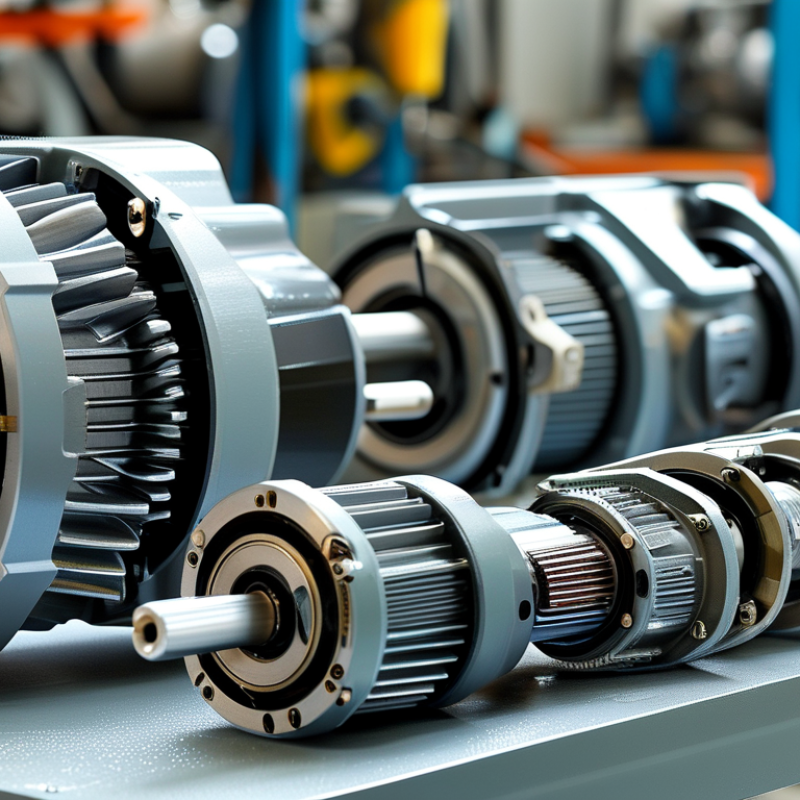
Understanding efficiency ratings for gear motors is crucial for global buyers. The efficiency of gear motors directly affects energy consumption and operational costs. When selecting a motor, buyers should be familiar with different efficiency standards. This knowledge ensures that they choose motors that meet their specific needs and save on energy bills.
Efficiency ratings vary among manufacturers. Common standards include IEC and NEMA. These standards provide valuable insights into a motor's performance. A motor with a higher efficiency rating will usually operate at lower temperatures and produce less noise. However, not all high-rated motors are suited for every application. Some may lack torque or have speed limitations.
Buyers need to consider their unique operational requirements. Selecting the wrong efficiency rating can lead to inefficiencies and increased maintenance costs. It is essential to balance efficiency with performance characteristics. This often requires careful evaluation and understanding of motor specifications. Reflecting on these factors can lead to better purchasing decisions that enhance operational efficiency and long-term value.
| Motor Type | Efficiency Rating | Power Output (kW) | Torque (Nm) | Speed (RPM) |
|---|---|---|---|---|
| Helical Gear Motor | IE3 | 4.0 | 20.0 | 1500 |
| Bevel Gear Motor | IE4 | 5.5 | 30.0 | 1800 |
| Planetary Gear Motor | IE5 | 3.0 | 25.0 | 1200 |
| Worm Gear Motor | IE2 | 7.5 | 35.0 | 1000 |
: Material selection enhances durability and efficiency, ensuring gear motors can withstand wear and tear over time.
Different materials have varying friction and heat resistance, impacting overall performance and maintenance needs.
Steel is often used for its strength, while lighter materials like aluminum may improve efficiency in certain applications.
Testing helps engineers find the best mix for specific applications, as not all materials perform equally well.
The trend includes a rise in smart gear motors, focusing on IoT for data-driven predictive maintenance.
Companies are exploring eco-friendly materials, but achieving real sustainability is still a challenge for many manufacturers.
Many users struggle with the complexities of new systems, indicating a need for more user-friendly interfaces.
Yes, material choices affect not only immediate functionality but also the required maintenance over time.
Sometimes, engineers may focus on other aspects, inadvertently leading to suboptimal performance in gear motors.
Continuous innovation in materials and design can significantly enhance efficiency and performance in gear motors.
High Efficiency Gear Motors are essential components in various applications, and understanding their efficiency ratings and standards is crucial for global buyers. Factors such as torque, speed, and load significantly influence the performance of these motors, helping users select the optimal design for their needs. A comparative analysis between planetary and helical designs showcases how different technologies can meet specific operational demands.
Moreover, the selection of materials plays a vital role in enhancing the performance and longevity of gear motors. As the global market trends evolve, the demand for high efficiency gear motors continues to rise, driven by innovations in technology that prioritize sustainability and performance. Buyers are encouraged to stay informed about these developments to make informed purchasing decisions that best suit their industrial requirements.

 Lahabra Motors