How to Choose the Right Micro DC Gearbox Motors for Your Needs?

Time:2026-06-22 Author:Ethan
0%

Choosing the right Micro DC Gearbox Motors is crucial for various applications. These motors play a significant role in robotics, automotive systems, and automation. According to industry reports, the global market for DC gear motors is expected to surpass $7 billion by 2027. This growth highlights the increasing reliance on these motors in multiple sectors.

Micro DC Gearbox Motors offer precision and efficiency. They can provide high torque at low speeds, making them suitable for delicate tasks. However, selecting the wrong motor can lead to performance issues. Many users overlook essential specifications, such as torque, speed, and power consumption. This oversight can result in a mismatch for specific applications.

The process requires careful evaluation. Users should assess their unique needs and the operational environment. Research shows that nearly 30% of projects face delays due to improper motor selection. Thus, understanding the technical requirements and characteristics of Micro DC Gearbox Motors is vital. Awareness of these factors can enhance efficiency and reduce costs.
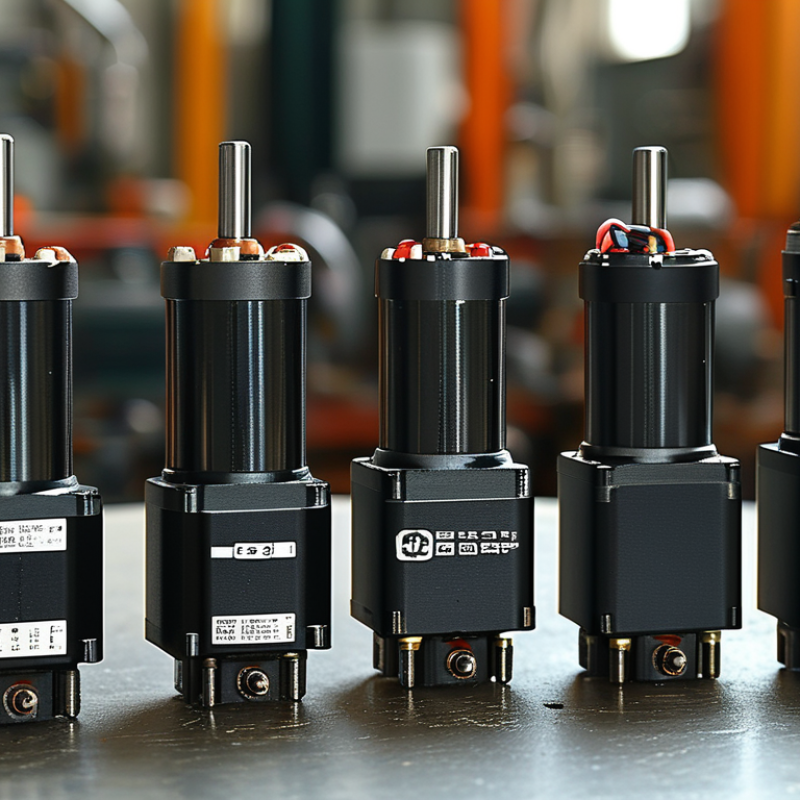
How to Choose the Right Micro DC Gearbox Motors for Your Needs?

Understanding Micro DC Gearbox Motors and Their Applications

Micro DC gearbox motors are crucial in a variety of applications. They combine a DC motor with a gearbox to provide high torque while maintaining a compact size. Common applications include robotics, drones, and electric vehicles. Understanding these motors’ functions is key to selecting the right one.

When choosing a micro DC gearbox motor, consider factors like voltage, torque, and speed. Different applications require different specifications. For instance, a robot’s arm may need high torque for lifting. In contrast, a toy car may prioritize speed.

It’s important to be aware of the limitations. Sometimes, the torque might be insufficient for heavy loads. Excess slip in gears can affect performance. Evaluating the motor's specifications against your project's demands is essential for optimal results. Always do thorough testing to ensure reliability.

Micro DC Gearbox Motors Performance Comparison

Evaluating Key Specifications for Micro DC Gearbox Motors

When selecting micro DC gearbox motors, it's essential to focus on several key specifications. The first is torque. Torque measures the force generated by the motor and affects how well it can move your application. Consider the load your motor will handle. A higher torque rating may be necessary for heavier loads.

Speed is another crucial factor. It's measured in revolutions per minute (RPM). Depending on your project, you may need a high-speed motor or one that operates at lower RPMs for precision tasks. Knowing the desired speed can help narrow down your options.

**Tips:** Always compare torque and speed requirements. Use specifications to guide your decision-making. It's common to overlook load considerations. A mismatched motor can lead to inefficiencies. Also, check for the gearbox type. Different gear configurations can impact performance and efficiency.

Lastly, pay attention to size and weight. Ensure that the chosen motor fits within your design constraints. A compact motor may work better if space is limited. Be aware that smaller motors might sacrifice power for size. Balancing size and performance is often challenging but crucial for success.

How to Choose the Right Micro DC Gearbox Motors for Your Needs? - Evaluating Key Specifications for Micro DC Gearbox Motors

Specification Details Importance
Voltage 6V to 12V Ensures compatibility with power supply
Rated Torque 0.1 to 3 Nm Determines load handling capacity
Speed 20 to 500 RPM Affects operation and performance
Dimensions 20mm x 30mm x 40mm Fits in designated spaces
Gear Ratio 3:1 to 100:1 Affects output speed and torque
Motor Type Brushed or Brushless Impacts maintenance needs and efficiency
Efficiency 70% to 90% Determines energy consumption

Determining the Right Gear Ratio for Your Project Needs

Choosing the right gear ratio is crucial for micro DC gearbox motors. Gear ratios determine how torque and speed interact. A higher ratio provides more torque but less speed. Conversely, a lower ratio increases speed but decreases torque. Understanding your project's specific needs will help you find the perfect balance.

Consider your application. If you need to lift a heavy load, prioritizing torque is essential. You might need a higher gear ratio. Conversely, for fast-moving tasks or intricate designs, opt for a lower ratio. Experimenting with different ratios can lead to unexpected results. Sometimes, the perfect combination may not be the one you planned.

Documentation and user reviews can shed light on what ratios work well in particular applications. While this data is vital, real-world testing is equally important. Each project brings unique challenges. Engaging with communities of experts can provide insights. They can help identify common pitfalls, guiding you in making informed decisions.

Assessing Power Requirements and Efficiency of Motors

Choosing the right micro DC gearbox motor involves a careful assessment of power requirements and efficiency. Understanding torque and power ratings is crucial. Data from the International Electrotechnical Commission (IEC) indicates that motors with a higher power rating generally offer better efficiency. However, higher power often equates to increased energy consumption. Balancing these factors can lead to more effective motor selection.

For instance, a typical micro DC motor might operate at 6 V, providing around 0.5 Nm of torque. This performance level suits various applications, from robotics to consumer electronics. It's essential to calculate the necessary torque and RPM for your specific use case. Engineers often need to consider load conditions and potential energy losses in the system. A report from the Electric Power Research Institute (EPRI) emphasizes the importance of measuring load factors, as they can significantly affect overall efficiency.

Efficiency often goes hand-in-hand with thermal management. Poor heat dissipation can lead to motor failure or reduced lifespan. Engineers should evaluate heat sink options and cooling strategies, especially in compact designs. Many design choices prioritize size over cooling, which can compromise performance. Thus, it's vital to test motor performance under expected load conditions to validate efficiency claims and operational reliability.

Comparing Different Manufacturers and Models of Micro DC Gearbox Motors

Choosing the right micro DC gearbox motor is essential for your project. With various manufacturers and models available, the decision can become overwhelming. Each motor has unique specifications that cater to specific needs, such as torque, speed, and size. It's crucial to analyze these elements in the context of your application to make an informed choice.

When comparing different models, consider the gear ratio. A higher ratio offers more torque but less speed. This aspect is often overlooked. Testing prototypes can help identify which motor best suits your requirements. Don't rely solely on data sheets. Real-world performance can differ.

Tips: Always read reviews and user experiences. Motors with high ratings often indicate reliability. Consider starting with a few sample units to evaluate performance in your specific setting. Not every motor will meet expectations, so be prepared to adjust your selections based on performance tests. Track your findings carefully for future reference.

FAQS

: What should I consider when choosing a micro DC gearbox motor?

: Focus on torque and speed. Evaluate the load and desired speed for your application.

Why is torque important for micro DC motors?

Torque indicates the force generated by the motor. It affects how well the motor can move a load.

How does speed impact motor selection?

Speed is measured in RPM. Depending on your project needs, you may need high or low speed.

What role does gear ratio play in motor performance?

Gear ratio balances torque and speed. A higher ratio increases torque but decreases speed.

How can I find the right gear ratio for my project?

Assess your application needs. For heavy loads, prioritize a higher gear ratio. For speed, choose lower ratios.

Why is size an important factor in motor selection?

Size affects design constraints. Compact motors fit better in limited spaces, but may sacrifice power.

How can I ensure motor efficiency?

Compare torque and speed specifications. Be cautious of mismatched motors leading to inefficiencies.

What is a common mistake when choosing motors?

Overlooking load considerations is common. It can lead to poor performance and unexpected results.

How can real-world testing help my project?

Testing provides insights beyond documentation. Each project has unique challenges that need practical validation.

Where can I gain more knowledge about gear ratios?

Engage with expert communities and read user reviews. They can share experiences and identify potential pitfalls.

Conclusion

When selecting the appropriate Micro DC Gearbox Motors for your specific applications, it is essential to first understand their fundamental characteristics and the range of applications they serve. Evaluating key specifications such as voltage, torque, and speed will help in making an informed choice. Additionally, it is crucial to determine the right gear ratio tailored to your project's requirements, ensuring optimal performance.

Furthermore, assessing the power requirements and efficiency of the motors will contribute to reliable operation and energy savings. Finally, comparing different manufacturers and models of Micro DC Gearbox Motors can provide insights into quality and performance variations, enabling you to select the best option for your needs. By carefully considering these aspects, you can choose the most suitable Micro DC Gearbox Motors to enhance the effectiveness of your projects.

Ethan

Ethan

Ethan is a seasoned marketing professional with a deep expertise in our company's innovative product line. With a passion for sharing knowledge and insights, he takes the lead in regularly updating our corporate blog, where he explores industry trends, product features, and effective marketing......